18 Sep 2026
Open Heart Surgery in Bangladesh: Types, Causes, Costs, Hospitals & Doctors
This guide is here to help you understand the full process like how the surgery is done, why it becomes necessary, what it may cost, and where you can find better treatment in Bangladesh. You’ll also get a clear idea about recovery, diet, follow-up care, and how to choose the right doctor.
In Bangladesh, open heart surgery is used to treat several conditions, including blocked arteries, weak or leaking valves, and certain heart defects present from birth. Common procedures include CABG (bypass surgery), valve repair, valve replacement, and other corrective surgeries. The cost usually ranges from 3 to 7 lakh BDT in well-equipped hospitals with experienced surgical teams. With proper care and regular follow-up, most patients recover within a few weeks.
Now let’s move through the full guide step by step so you can understand the types of surgeries, common causes, costs, leading hospitals, trusted doctors, and everything else you need to know about the treatment and recovery journey.
What Is Open Heart Surgery
Open heart surgery is a major operation in which doctors carefully open the chest to reach the heart directly. This allows them to repair blocked arteries, weak or damaged valves, and certain birth defects that affect normal blood flow. The goal is simple. Help the heart pump more effectively, ease chest discomfort, and lower the chances of heart failure so patients can return to a more comfortable and stable life.
Doctors usually recommend this surgery when the heart is too damaged to improve with medicine, lifestyle changes, or less invasive treatments. During the operation, the heart may be temporarily stopped so the surgeon can work with full control. A heart-lung machine takes over the job of circulating blood during this time. It gives the team a clear view to repair or replace the parts that are no longer functioning properly.
When done at the right time, the results can be life-changing. Many patients find they can breathe more easily, move around with less fatigue, and get back to everyday activities that once felt difficult. The long-term outcome depends on factors like age, overall health, and how early the condition was treated. Regular follow-ups and proper post-surgery care also play an important role in keeping recovery smooth.
Types of Open Heart Surgery in Bangladesh
Doctors in Bangladesh perform several kinds of open heart surgery. Each one is designed to address a specific problem. Some procedures focus on opening blocked arteries, while others repair or replace damaged valves. Certain surgeries also correct structural issues that have been present since birth. No matter the type, the main goal is always the same. It’s to help your heart pump more efficiently and reduce the risk of serious complications in the future.
Here are the most common types of open heart surgery and what each one is used for:
Your cardiologist will explain which surgery fits your condition and why it’s recommended. They’ll also discuss the risks, expected benefits, and how the procedure may improve your daily life once you recover.
The Difference Between Bypass and Open Heart Surgery
Bypass surgery is actually a specific type of open heart surgery. It focuses on treating blocked arteries by creating a new pathway for blood to flow. Open heart surgery, on the other hand, is a broader category. It includes any procedure where doctors open the chest to work directly on the heart. That means every bypass is an open heart surgery, but not every open heart surgery is a bypass.
Bypass surgery is recommended when the arteries supplying your heart become heavily blocked and limit the flow of oxygen-rich blood. During this procedure, the doctor uses a healthy vein or artery from another part of your body to create a new channel. This new route allows blood to flow around the blockage, helping the heart pump more comfortably and consistently.
Open heart surgery includes many other procedures besides bypass. It covers valve repairs, valve replacements, aneurysm repairs, congenital heart corrections, and maze procedures for rhythm problems. Your doctor will decide the best option for you based on your symptoms, test results, and long-term health needs. Here’s a simple side-by-side comparison (bypass vs open heart surgery) to make the difference clearer.
| Type of Surgery | What It Fixes | Short Note |
| Coronary Artery Bypass Grafting (CABG) | Blocked heart arteries | Creates a new path for blood flow |
| Valve Repair | Damaged heart valves | Fixes valve leaks or tightness |
| Valve Replacement | Very weak or broken valves | Replaces valve with metal or tissue option |
| Aneurysm Repair | Weak or bulging aorta | Strengthens or replaces the weak area |
| Congenital Heart Repair | Birth defects | Corrects structural problems present from birth |
| Maze Procedure | Irregular heartbeats | Creates small lines in the heart to fix rhythm issues |
Why Patients Need Open Heart Surgery: The Causes
Doctors usually recommend open heart surgery when the heart becomes too damaged to function 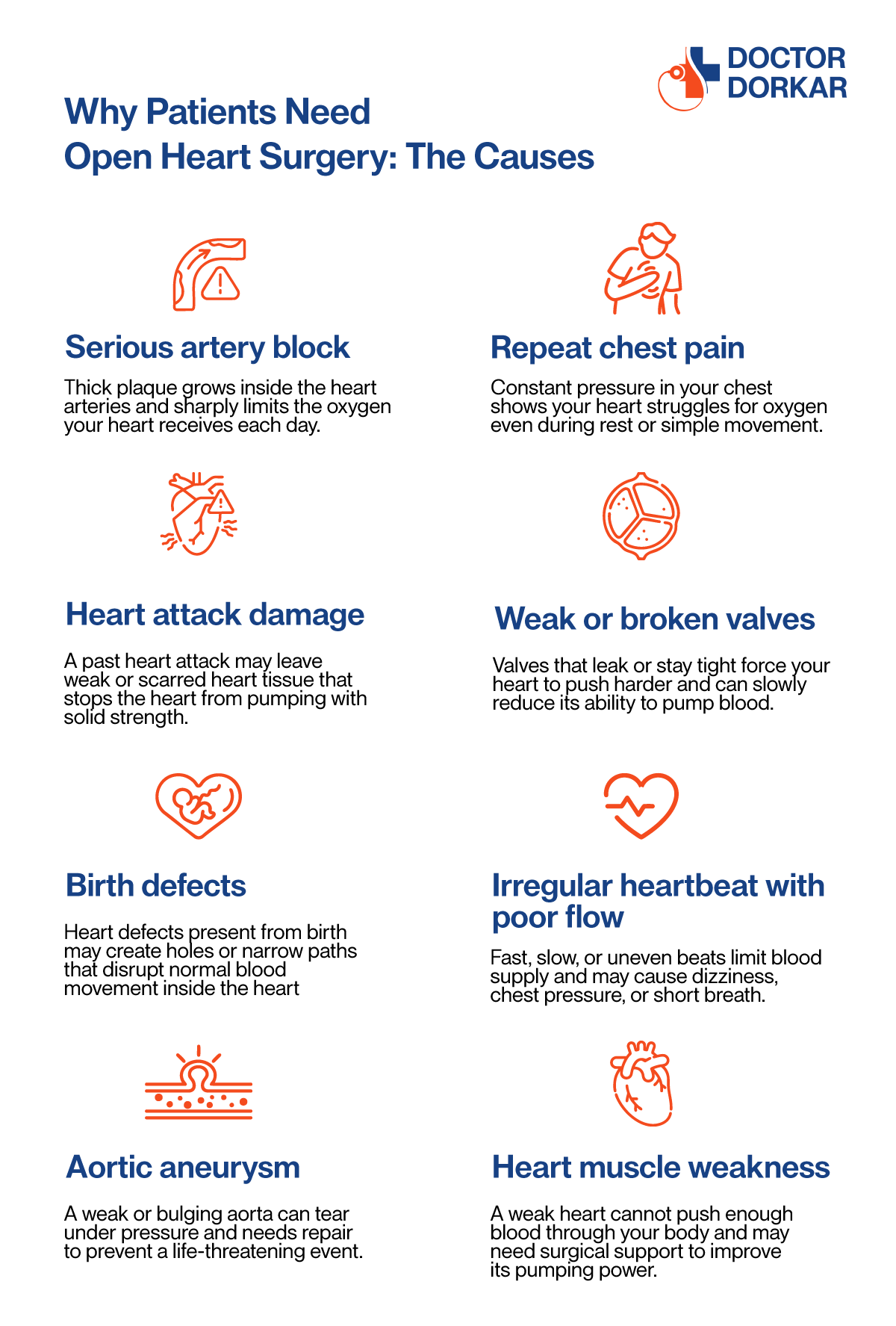 properly. These problems can slow down blood flow or weaken the heart’s pumping strength over time, and in many cases, medicines or lighter treatments are no longer enough. Surgery helps restore healthy circulation and gives the heart the support it needs to work more effectively. Below are the most common reasons why someone may need open heart surgery.
These issues put constant stress on the heart and increase the risk of heart failure if left untreated. Your doctor will review your symptoms, test results, and overall health to decide whether open heart surgery is the safest and most effective option for long-term recovery.
- Serious artery block: Thick plaque grows inside the heart arteries and sharply limits the oxygen your heart receives each day.
- Repeat chest pain: Constant pressure in your chest shows your heart struggles for oxygen even during rest or simple movement.
- Heart attack damage: A past heart attack may leave weak or scarred heart tissue that stops the heart from pumping with solid strength.
- Weak or broken valves: Valves that leak or stay tight force your heart to push harder and can slowly reduce its ability to pump blood.
- Birth defects: Heart defects present from birth may create holes or narrow paths that disrupt normal blood movement inside the heart.
- Irregular heartbeat with poor flow: Fast, slow, or uneven beats limit blood supply and may cause dizziness, chest pressure, or short breath.
- Aortic aneurysm: A weak or bulging aorta can tear under pressure and needs repair to prevent a life-threatening event.
- Heart muscle weakness: A weak heart cannot push enough blood through your body and may need surgical support to improve its pumping power.
These issues put constant stress on the heart and increase the risk of heart failure if left untreated. Your doctor will review your symptoms, test results, and overall health to decide whether open heart surgery is the safest and most effective option for long-term recovery.
Diagnosis & Tests Before Open Heart Surgery
Before open heart surgery, doctors use several tests to understand exactly how your heart is functioning. These tests help them see your heart’s rhythm, pumping strength, and whether any arteries are blocked. With this information, your medical team can plan the most effective treatment for you.
One of the first tests is an ECG, which records your heart’s electrical activity. It helps detect irregular beats and signs of past heart damage. Another common test is an echocardiogram. This uses sound waves to create a moving picture of your heart, allowing doctors to check how well the valves and chambers are working during each heartbeat.
You will also have blood tests to look for infections, anemia, or clotting problems—factors that can affect both surgery and recovery. In some cases, your doctor may order a CT scan or MRI for a more detailed view of the heart and nearby blood vessels. These images help identify structural issues that may not appear on basic tests.
If your doctor suspects artery blockage, a coronary angiogram may be recommended. This test shows how blood flows through your heart’s arteries and highlights any serious blockages. A stress test may also be used to see how your heart responds to physical activity and whether your symptoms worsen during movement.
Together, these tests help your doctor choose the right treatment plan and reduce risks during surgery. They ensure your heart gets the care it needs at the right time, with a personalized approach.
Open Heart Surgery Cost in Bangladesh
Open heart surgery costs vary based on the hospital, the type of surgery, and your overall health. Some surgeries need longer ICU care or more advanced tools, which raises the cost. Private hospitals usually charge more because they offer quicker service and added comfort, while government hospitals tend to be more affordable. You can see the common cost ranges for different types of open heart surgery in Bangladesh in the table below.
| Type of Surgery | Duration / Estimated Stay | Estimated Cost (BDT) |
| CABG (Bypass) | 10 days | 3,00,000 to 4,50,000 |
| Valve Repair or Replacement | 10 days | 3,20,000 to 5,00,000 |
| Congenital Heart Surgery | 10 days | 3,50,000 to 6,00,000 |
| Aneurysm Repair | 14 days | 4,00,000 to 7,50,000 |
The total cost also depends on extra needs during your stay. ICU care, daily medicines, follow-up tests, and extra hospital days can add to the final amount. Some patients need longer monitoring if their condition is unstable or if they have other health issues.
Government hospitals offer lower prices but may have longer waiting times. Private hospitals charge more but provide faster admission, cleaner rooms, and better nursing support. The right choice depends on your budget, health needs, and comfort level during recovery.
Best Hospitals for Open Heart Surgery in Bangladesh
You have several hospital options in Bangladesh for open heart surgery. These centers have trained heart teams, strong ICU units, and the tools needed for difficult procedures. You also get care from doctors who handle many heart cases each year.
Ship International Hospital in Uttara is a top choice for many patients. The cardiac unit is active, the ICU stays ready, and the team moves fast when you need help. The rooms are clean, the staff helps you whenever needed, and the surgery team has good results.
Other hospitals also treat many patients and offer necessary care. Government centers serve large crowds each day at a lower cost. Private centers charge more but give quicker service. Your choice depends on your budget, health needs, and how much good service you want during recovery. Here is a simple comparison:
| Hospital | Estimated Cost | Comment |
| Ship International Hospital, Dhaka | 3,00,000 to 7,50,000 | Strong record and active team |
| National Institute of Cardiovascular Diseases (NICVD) | 1,50,000 to 4,50,000 | Handles many cases well |
| National Heart Foundation Hospital | 2,50,000 to 5,00,000 | Trusted center with steady results |
| Ibrahim Cardiac Hospital | 3,00,000 to 7,00,000 | Skilled cardiac unit |
| LABAID Cardiac Hospital | 4,00,000 to 7,50,000 | Experienced private team |
| Evercare Hospital Dhaka | 5,50,000 to 8,50,000 | Good ICU setup |
| United Hospital | 5,00,000 to 8,00,000 | Well-known for heart care |
| Green Life Hospital | 3,00,000 to 7,00,000 | Busy cardiac unit |
| Euro-Bangla Heart Hospital | 3,00,000 to 6,50,000 | Good option for budget care |
These hospitals support patients through every step, from diagnosis to recovery. Your doctor helps you choose the right center based on your heart condition, your budget, and the level of care you need.
Best Heart Surgeons in Bangladesh
You will find many skilled heart surgeons in Bangladesh. They treat hard cases each day and stay calm during long procedures. A good surgeon explains your problem in easy words and helps you understand each step. You should feel comfortable asking questions and you should feel heard.
You need a surgeon who has long experience with your type of surgery. Surgeons who operate often stay sharp and handle sudden issues well. Strong training also matters because it shows the surgeon has worked with many heart problems.
You can learn a lot from patient reviews. They show how a surgeon talks to people, how they prepare you before surgery, and how they stay with you after the operation. A surgeon who listens and stays patient makes the whole process easier for you and your family. A strong support team also helps. Nurses, anesthesiologists, and technicians play a key role in keeping you confident about the treatment. Here is a list of qualities you should look for while selecting a heart surgeon for an open heart surgery.
- Long experience in cardiac surgery
- Strong background in heart care
- Good patient reviews
- Skilled team
- Clear and simple communication
- Works in a good cardiac hospital
Ship International Hospital in Uttara has several heart surgeons who meet these points. Many patients choose this center because the cardiac team works daily with complex cases, and the CCU stays ready for quick action. The environment in Ship International Hospital stays clean and the team stays active during recovery. Below is a list you can fill with your preferred surgeons:
1. Prof. Dr. Kazuyuki Ishibashi
Prof. Dr. Kazuyuki Ishibashi is an MD and PhD–qualified cardiovascular surgeon from Japan. He serves as the Hospital Director and Chief Consultant in the Department of Cardiovascular Surgery at Ship International Hospital in Dhaka. His training and academic background in cardiovascular surgery proves his leadership and clinical work at the hospital.
2. Prof. Dr. Farooque Ahmed
Prof. Dr. Farooque Ahmed is an MBBS and MS (CTS)–qualified cardiac surgeon. He is a Professor and the Chief Cardiac Surgeon at the National Heart Foundation in Dhaka. His profile on doctor directories states his long-standing service in cardiac surgery and his leadership role at the foundation’s cardiac center.
3. Prof. Dr. N.A. Kamrul Ahsan
Prof. Dr. N.A. Kamrul Ahsan holds an MBBS from Mymensingh Medical College, an MS from the University of Dhaka, and FACS from the American College of Surgeons. He is the Chief Consultant of Cardiovascular Surgery at Ship International Hospital. His role includes leading treatment plans and managing complex cardiovascular cases at the center.
4. Prof. Dr. Mohammad Sharifuzzaman
Prof. Dr. Mohammad Sharifuzzaman is an MBBS and MS (CTS)–qualified cardiac surgeon. He works as a Professor of Cardiac Surgery at the National Heart Foundation. His position involves treating patients, guiding surgical teams, and contributing to the hospital’s academic and clinical programs.
5. Dr. Jahangir Kabir
Dr. Jahangir Kabir holds an MBBS and MS (CTS) and serves as the Chief Cardiac Surgeon and Director of the Cardiac Centre at United Hospital Limited. His role includes leading the hospital’s cardiac surgery services and managing complex cardiac cases within the unit.
6. Dr. Mohammad Moniruzzaman
Dr. Mohammad Moniruzzaman is an MBBS and MS-qualified cardiothoracic surgeon. He works as a Senior Consultant at Ship International Hospital in Dhaka. His clinical work focuses on cardiothoracic surgery, and he is listed with CTSNet, which highlights specialists working in heart, lung, and chest surgery worldwide.
7. Dr. Prasanta K. Chanda
Dr. Prasanta K. Chanda is an MBBS and MS (Cardiovascular and Thoracic Surgery)–qualified surgeon. He is a Senior Consultant in Cardiac Surgery at Square Hospitals Ltd. His work covers a wide range of cardiovascular and thoracic surgical treatments offered at the hospital.
8. Dr. Lutfor Rahman
Dr. Lutfor Rahman is an MBBS and MS (CTS)–qualified cardiac surgeon. He serves as the Chief Cardiac Surgeon at Labaid Cardiac Hospital. His position places him at the center of the hospital’s surgical heart care services.
9. Dr. Md. Zulfiqur Haider
Dr. Md. Zulfiqur Haider holds an MBBS and MS in Cardiothoracic and Vascular Surgery. He is the Senior Consultant and Coordinator of the Cardiothoracic and Vascular Surgery Department at Evercare Hospital Dhaka. His role involves managing surgical care and coordinating treatment plans for heart and vascular conditions.
10. Dr. Mamika Motokawa
Dr. Mamika Motokawa is an MD and PhD–qualified cardiovascular surgeon from Japan. She serves as a Senior Consultant in Cardiovascular Surgery at ShipP International Hospital. Her background includes advanced training in cardiovascular surgery, and she provides specialized care within the hospital’s heart program.
11. Dr. Md. Shaukat Ali
Dr. Md. Shaukat Ali serves as Consultant and Coordinator in the Department of Cardiac Surgery at Bangladesh Specialized Hospital PLC. His training includes programs at National University Hospital in Singapore and San Donato Hospital in Milan, Italy. He works in cardiac surgery with a focus on improving patient care through his international training experience.
Tips to Choose the Right Hospital or Doctor
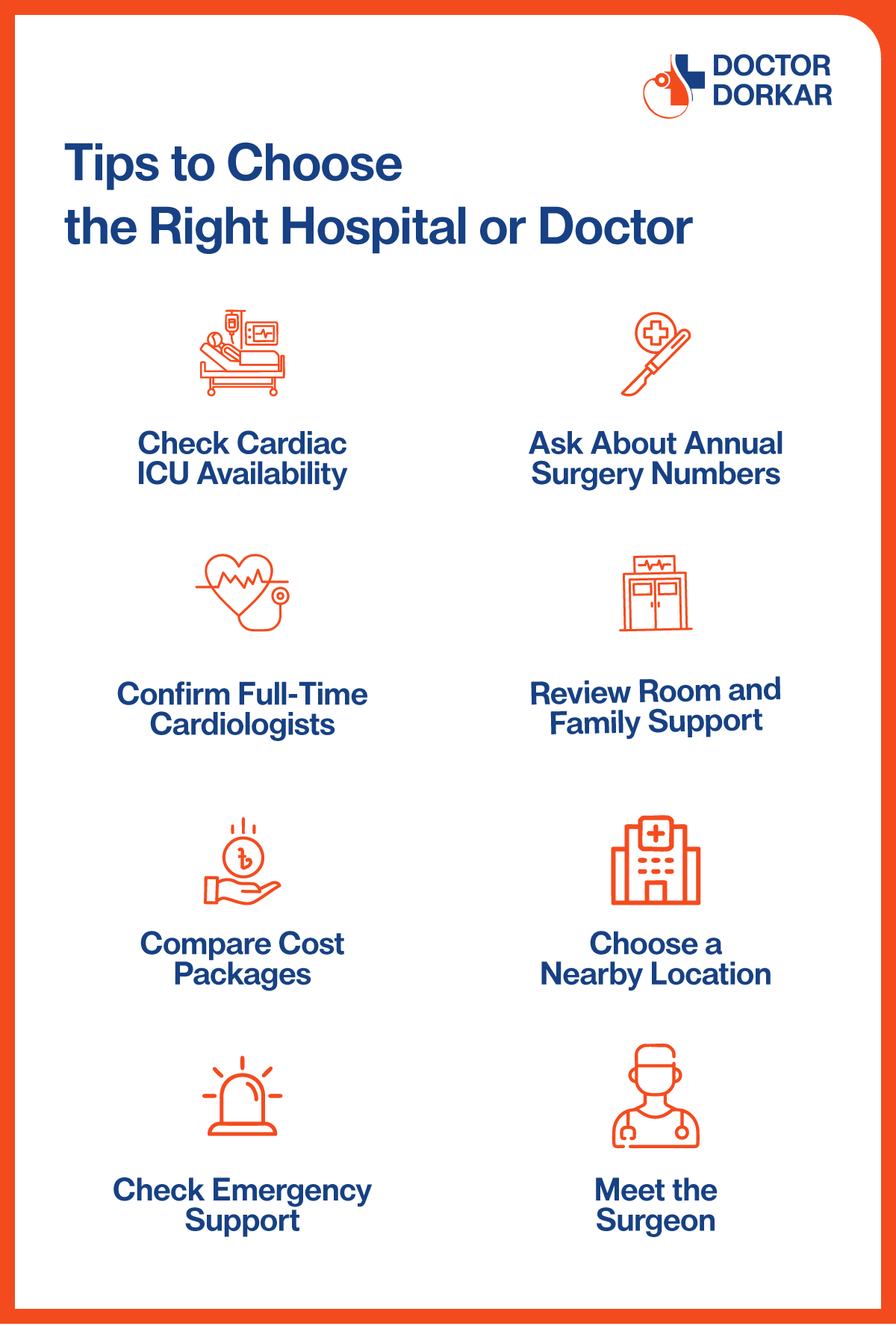 Choosing the right hospital or doctor plays a big role in your recovery. You need a place that can manage your surgery with skill and a doctor who guides you with proper explanations. The right choice helps you feel confident, prepared, and supported from start to finish.
1. Check Cardiac ICU Availability
A hospital with a full-time cardiac ICU gives you safer care right after surgery. Your heart needs steady monitoring during the first hours and days, and a strong ICU team can react fast if your condition shifts. This setup helps protect you when your body is still weak and adjusting to the surgery.
A good cardiac ICU also has trained nurses, advanced machines, and good protocols for heart patients. These tools help the staff catch small changes in your breathing, pressure, or heart rhythm before they grow serious. You get quality care, quicker service, and a stronger chance of smooth recovery.
2. Ask About Annual Surgery Numbers
High yearly surgery numbers show the hospital handles many heart cases with skilled hands. A team that works on these surgeries often stays sharp, follows routines, and understands how to manage sudden issues during treatment. This gives you a safer path during a complex procedure.
A hospital with low surgery numbers may not have the same rhythm or teamwork. Fewer cases mean less exposure to different heart conditions and less practice handling rare problems. Asking about numbers helps you judge experience before you make a choice.
3. Confirm Full-Time Cardiologists
Full-time cardiologists provide you care from the first test to the last checkup. They watch your progress, adjust your medicines, and guide you when you need follow-up. Their presence also helps the surgeon make better decisions during treatment.
Hospitals without full-time cardiologists often rely on visiting doctors. This can slow down your care and leave gaps during recovery. A team that stays on-site gives you quicker answers and after your surgery.
4. Review Room and Family Support
A clean room with simple service makes your stay relaxed and easier. Good lighting, enough space, and quiet surroundings help your body rest and heal with less stress. Comfort matters because your recovery depends on steady rest and stable care.
Family support also plays a large role. Visiting rules and nearby waiting areas help your family stay around. Their presence gives you emotional strength, which often helps you heal faster and feel more secure during your stay.
5. Compare Cost Packages
Compare each hospital’s cost package before you decide. Clear pricing helps you plan your budget and avoid sudden bills during your stay. A full breakdown also shows what is included, such as tests, medicines, and room charges.
Cost packages can differ widely across hospitals. Some offer fixed rates while others add charges based on daily needs. Comparing these details helps you judge value and pick a plan that goes with both your health and your budget.
6. Choose a Nearby Location
Choose a hospital near your home if you expect many checkups. Short travel reduces stress and keeps you more comfortable during healing. It also helps you reach the hospital quickly when you feel unwell.
A nearby hospital also makes things easier for your family. They can visit you often and support you without long travel. This care helps your recovery stay smooth.
7. Check Emergency Support
Check if the hospital has strong emergency care ready day and night. Fast help during a sudden change in your condition can protect your heart and prevent serious problems. This support creates a safer plan for your surgery and healing.
Hospitals with full emergency teams respond faster. You get quick tests, quick medicines, and quick monitoring when needed. This gives you peace of mind and keeps risk under control.
8. Meet the Surgeon
Meet the surgeon before you decide on your treatment. A good surgeon listens, answers your questions, and explains your condition in simple words. This helps you trust the plan and feel secure before surgery.
Talking to the surgeon also helps you judge their approach. You can see how they guide you, how they explain risks, and how they address your worries. A surgeon who communicates clearly makes the whole process easier for you and your family.
Good support from your doctor and hospital makes your surgery smoother and your recovery safer. You should feel guided, heard, and cared for through every step.
Step-by-Step: How Open Heart Surgery Is Done
Open heart surgery follows a transparent path from preparation to recovery. You move through each stage under intensive care, and every step helps keep the surgery safe. The process stays simple to understand when you see it broken into smaller steps.
Step 1: Hospital admission and checks → You arrive, finish paperwork, and complete quick tests to 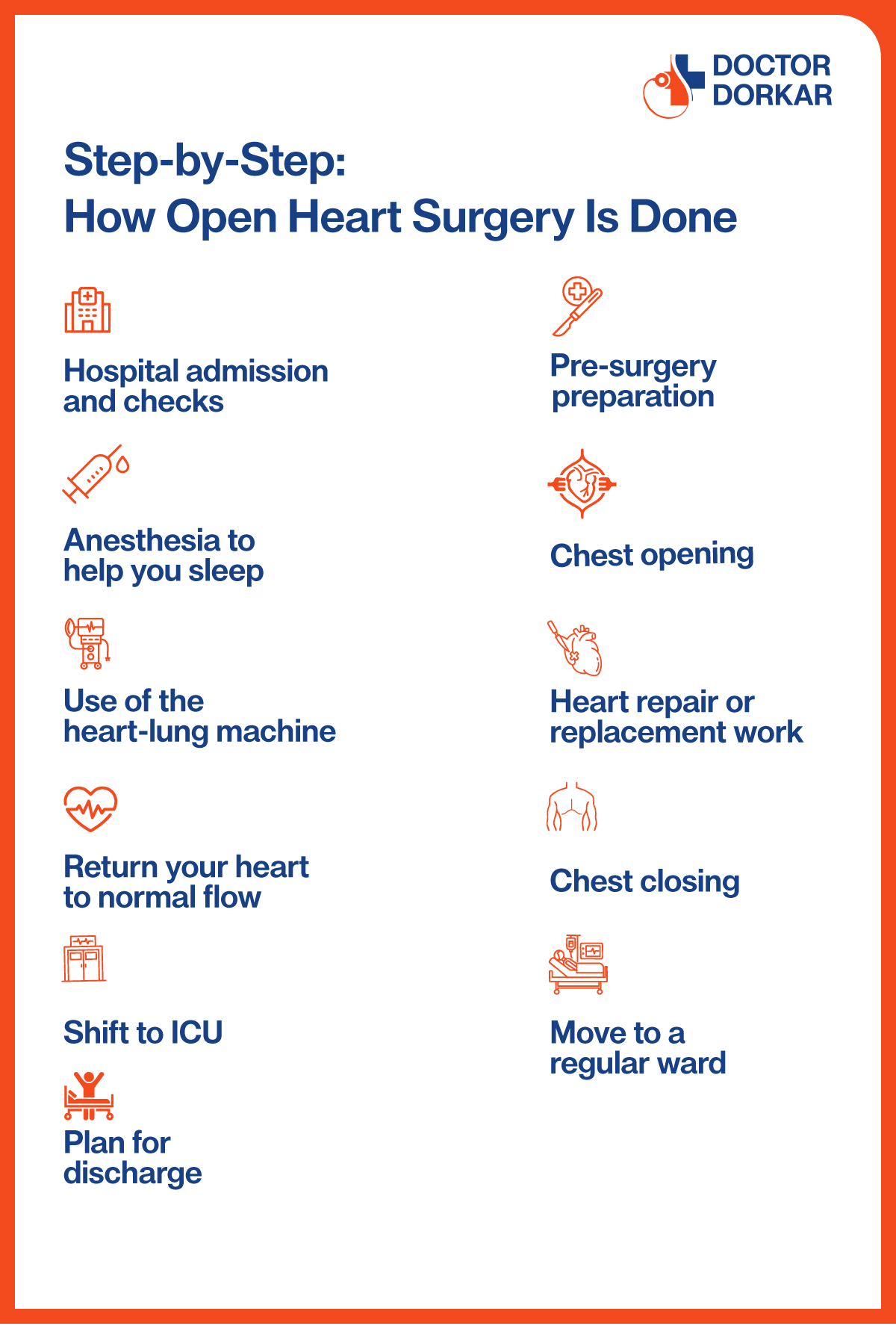 confirm your readiness.
Step 2: Pre-surgery preparation → Nurses place IV lines and guide you through breathing checks and medicine plans.
Step 3: Anesthesia to help you sleep → The anesthesiologist gives medicine that makes you sleep through the entire surgery.
Step 4: Chest opening → The surgeon opens your chest with care to reach the heart directly.
Step 5: Use of the heart-lung machine → This machine takes over pumping and breathing while your heart rests.
Step 6: Heart repair or replacement work → The surgeon fixes blocked arteries, weak valves, or damaged heart tissue.
Step 7: Return your heart to normal flow → Your heart starts working again, and the team checks the rhythm and strength.
Step 8: Chest closing → The surgeon closes the bone with wires and stitches the skin layer.
Step 9: Shift to ICU → You go to the ICU for close monitoring, pain support, and breathing checks.
Step 10: Move to a regular ward → Once stable, you shift to a normal room to regain strength.
Step 11: Plan for discharge → Doctors set your medicines, follow-up dates, and recovery instructions.
This step-by-step path helps you understand what happens during surgery. You feel more ready, more tension-free, and more in control when you know each step ahead.
Success Rate of Open Heart Surgery in Bangladesh
Bangladesh faces a heavy burden from heart disease, and the numbers show how serious the situation is. A study says the country has around 42 cardiac care units and 32 hospitals that can perform heart surgery. Yet about 30,000 surgeries are needed each year while only 12,000 are done. These figures show a clear gap between patient needs and available treatment in the country.
However, open heart surgery in Bangladesh has a strong record of success. Most patients do well when the problem is found early and when they follow the care plan with discipline. Your age, general health, and how fast you seek treatment all shape your recovery.
CABG surgery has a success rate of about 90 to 96 percent. Many hospitals perform this procedure often, so the teams stay steady and experienced. You also get better results when the blocked arteries are treated before severe damage sets in.
Valve surgery has a success rate of about 93 to 97 percent. These repairs help blood flow move in the right direction and lower stress on the heart. Follow-up visits, daily medicine, and small lifestyle steps help you heal faster.
Recovery improves when you stay active in your care. Your doctor will guide you on diet, safe movement, and the right time to return to daily tasks. Regular checkups also help them track your progress.
Several centers in Dhaka now maintain strong outcomes in open heart surgery. Ship International Hospital is one of the hospitals that reports better results because the cardiac team handles a large number of cases and keeps the ICU ready for monitoring. This kind of setup helps many patients feel safer during recovery.
You raise your chance of a smooth recovery when you follow your plan, report new symptoms fast, and stay in contact with your care team.
Risks and Complications of Open Heart Surgery
Open heart surgery is safe in most cases, but it still carries some risks. These risks depend on your age, heart condition, and overall health. Your care team watches you closely to keep these problems low and steps in fast if anything changes. Common risks and complications include:
- Infection
- Bleeding
- Temporary memory problems
- Irregular heartbeat
- Stroke
- Blood clots
- Lung issues
- Need for repeat surgery
Your doctor explains each risk in simple words before the operation. You also learn how these risks are managed and what you can do for safe healing. Good planning, early care, and regular follow-up help lower most complications.
Recovery Guide After Open Heart Surgery
Recovery after open heart surgery moves through different stages that help your body heal and regain strength. You start with necessary care in the hospital, continue healing at home, and slowly return to daily work over the next few weeks. Each stage needs patience, regular checkups, and the right habits to keep your heart safe.
Recovery in the Hospital
You begin your recovery in the ICU, where the team watches your heart, lungs, and wound with continuous care. This close monitoring helps them act fast if your condition changes. You may feel weak at first, but this stage keeps you safe during the early hours after surgery.
Once you grow stable, nurses help you sit up and start light movement. Even short walks play a big role in healing. They help your lungs open, lower the chance of clots, and wake up your muscles after a long rest.
Your stay in the hospital may last a few more days after the ICU. During this time, your team checks your pain, breathing, and wound healing. They also teach you simple steps you will follow at home, so you feel ready before going home.
Recovery at Home
Home recovery needs attention each day. You keep the wound clean and dry to avoid infection and help the skin heal well. You take your medicines on time, since they protect the heart, control pain, and lower other risks.
You also follow safe movement rules. You avoid heavy lifting and pushing, because these actions strain your chest. Slow walking each day helps your body gain strength without harming the healing bone.
Sleep is also a key part of this stage. A firm pillow keeps you comfortable and limits chest pressure. You may feel tired often, but rest mixed with light movement helps your heart recover well at home.
Long-Term Recovery
Long-term healing usually takes eight to twelve weeks, though some people need more time. Your age, surgery type, and overall health shape your progress. You may notice steady gains each week as your strength returns.
Follow-up visits matter during this stage. Your doctor checks your wound, heart rhythm, and energy level. They adjust your plan when needed and guide you on when it is safe to increase activity.
Most people return to light work once their doctor agrees it is safe. This step marks an important point in recovery. You feel more stable, more active, and more confident with each passing week.
Recovery takes effort, but each step brings you towards a stronger heart. You heal best when you follow your care plan, stay active at a safe pace, and keep all checkups. With time, proper rest, and the right habits, most people return to normal life with better heart health and more confidence in their daily routine.
Diet & Lifestyle to Follow After Surgery
Eating the right food and keeping simple habits help your heart heal with steady progress. Your body needs clean fuel, enough rest, and light movement to regain strength after surgery. Small daily choices protect your heart and lower the chance of new problems.
| Category | Items to Include | Items to Avoid |
| Protein | Fish, lentils, skinless chicken | Beef fat, processed meat |
| Vegetables & Fruits | Fresh vegetables, leafy greens, seasonal fruits | Fried vegetables, sugary fruit drinks |
| Grains & Fiber | Whole grains, brown rice, oats | White bread, heavy refined carbs |
| Oils & Fats | Olive oil, mustard oil in small amounts | Deep-fried food, heavy oils |
| Lifestyle | Drink water, light daily movement, steady sleep | Smoking, heavy salt, sugary snacks |
A heart-friendly diet gives your body the strength it needs to heal after surgery. Fresh food, clean cooking methods, and good habits are necessary for your heart each day. When you mix good meals with rest and light activity, you build a safer path toward long-term recovery. If you want, I can also add a weekly meal plan or a full lifestyle chart.
Final Thoughts
Open heart surgery can feel overwhelming, but it often gives you the chance to return to a steady, active life. You manage the experience with more confidence when you understand each stage. Knowing what happens before, during, and after surgery helps you feel ready and safe.
You learned how the surgery is done and why doctors suggest it for certain heart problems. You also saw how costs vary in Bangladesh and how to choose places that offer safe care. This knowledge helps you make a plan that fits your health, needs, and budget.
You also explored how to judge hospitals and surgeons with simple checks. Good communication, strong ICU care, and regular follow-ups build trust and protect your recovery. Good planning makes every step smoother for you and your family.
You now have a full view of treatment, recovery, and long-term habits to keep your heart healthy. With care, patience, and the right support, you give your body the best chance to heal and stay strong. If you want, I can create a short summary version of this section for featured snippets.
Read Useful FAQs
Open heart surgery in Bangladesh is a major chest operation that fixes blocked arteries, weak valves, or birth defects. It helps the heart pump better and lowers the risk of heart failure when lighter care is no longer enough for the patient.
Causes for open heart surgery in Bangladesh include blocked arteries, weak valves, heart attack damage, rhythm issues, birth defects, and a weak aorta. These problems limit blood flow and force the heart to work harder every single day.
The cost of open heart surgery in Bangladesh ranges from 3 to 7 lakh BDT. Prices depend on the hospital, surgery type, ICU stay, and daily care needs. Private centers charge more while public centers offer lower fees for patients.
The best heart surgeons in Bangladesh are doctors with long surgery experience, strong training, and good patient reviews. Many skilled surgeons work at Ship International Hospital, Heart Foundation, NICVD, and other major cardiac centers.
Risks that come with open heart surgery in Bangladesh include infection, bleeding, rhythm problems, stroke, clots, lung issues, and repeat surgery. Care teams watch patients closely and act fast to keep these risks low during recovery.
Types of open heart surgery in Bangladesh include CABG, valve repair, valve replacement, aneurysm repair, maze work, and birth defect repair. Each option treats a clear heart problem and helps restore steady blood flow for safer long-term health.
Tests before open heart surgery in Bangladesh include ECG, echo, blood work, CT or MRI, stress tests, and angiograms. These tests show heart strength, rhythm, and block levels so doctors can shape the safest treatment plan.
Hospitals best for open heart surgery in Bangladesh include Ship International, NICVD, National Heart Foundation, Ibrahim, Labaid, Evercare, and United. These centers have trained teams, strong ICUs, and steady care during every stage.
The success rate of open heart surgery in Bangladesh stays high. CABG often reaches 90 to 96 percent, and valve surgery reaches 93 to 97 percent. Early care, good habits, and steady follow-ups help improve results for most patients.
Recovery after open heart surgery in Bangladesh starts with ICU care, then slow walking, clean wound care, daily medicine, and follow-ups. Most patients heal in a few weeks and return to light work once the doctor agrees it is safe.

Dr. Mohammad Moniruzzaman
MBBS, MS (Cardiothoracic Surgery)
I am Dr. Mohammad Moniruzzaman, a cardiovascular and cardiothoracic surgeon with more than 20 years of experience in heart surgery. I completed my MBBS from Sir Salimullah Medical College under the University of Dhaka and later earned my MS in Cardiothoracic Surgery from the National Heart Foundation Hospital & Research Institute. Currently, I am working as a Senior Consultant in Cardiovascular Surgery at Ship International Hospital, Dhaka. Over the years, I have served in several leading hospitals in Bangladesh, including Ibn Sina Specialized Hospital and the National Heart Foundation Hospital & Research Institute. I have independently performed hundreds of open-heart surgeries, including coronary artery bypass grafting, valve replacement, ascending aorta replacement, and congenital heart defect repairs. I am also involved in minimally invasive cardiac surgery and complex aortic procedures. My professional interests include adult and pediatric cardiac surgery, advanced surgical techniques, and cardiac surgery training through simulation and wet lab development. I actively participate in national and international conferences and have published multiple research articles in peer-reviewed medical journals. Through my writing, I aim to share reliable, easy-to-understand information on heart health, cardiac surgery, and patient care, helping readers make informed decisions with confidence.
Specialities: Cardiovascular Surgery
More Blogs:
Trusted Health News and Wellness Updates

Dr. Mohammad Moniruzzaman
TOF Surgery in Bangladesh: Symptoms, Surgery Cost and Success Rate
Tetralogy of Fallot, also called TOF, is a heart problem that starts at birth. It affects how blood flows from the heart to the lungs. Many children in Bangladesh with this condition need surgery early in life. You may feel stressed when you hear about heart surgery, but clear information helps you stay steady. This guide walks you through TOF, treatment steps, surgery choices, cost, and care.

Dr. Mohammad Moniruzzaman
Heart Valve Replacement in Bangladesh – Symptoms, Types, Steps, Procedure, Cost and Best Hospitals
Heart valve problems can affect your daily life in many ways. You may feel tired, weak, or short of breath. Simple tasks can take more effort. Heart valve replacement gives you a safe way to fix this problem. Many hospitals in Bangladesh now offer strong care for this surgery. You can get good treatment without leaving the country.
Md. Abdus Sabur
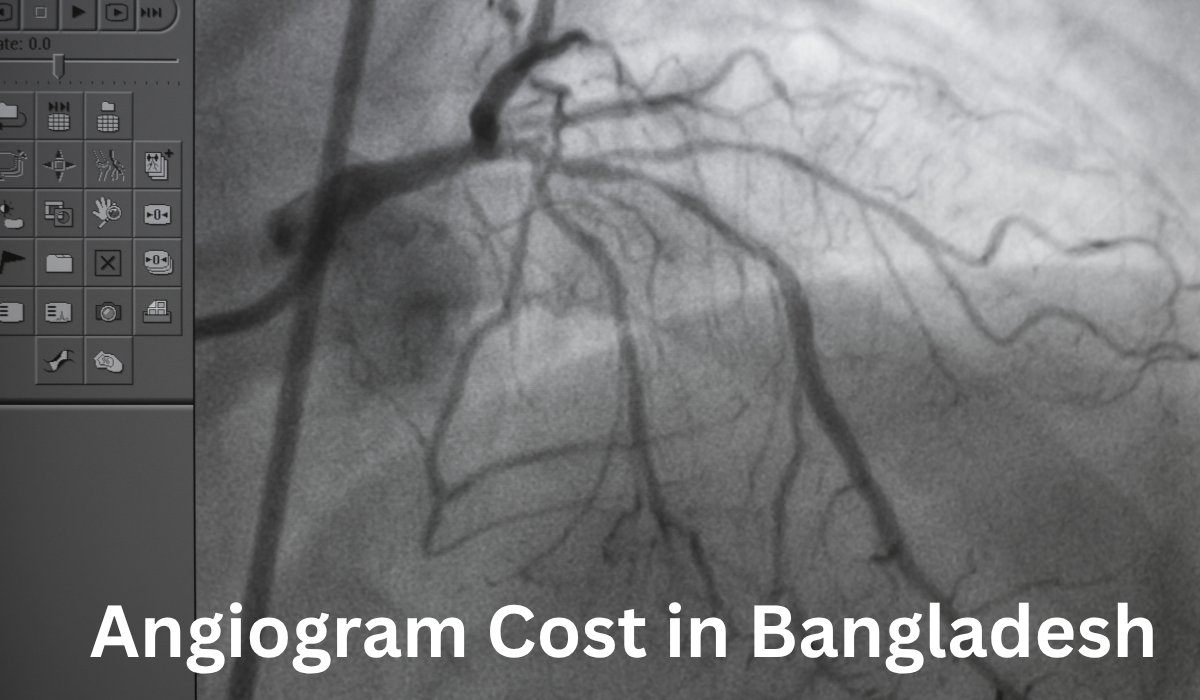
Angiogram Cost in Bangladesh – Complete Information
An angiogram is a specialised diagnostic test used to examine the blood vessels of the heart, brain, or other parts of the body. It plays an important role in detecting blockages, narrowing, or abnormalities in arteries and veins. The need for angiograms has increased significantly due to the increasing number of heart disease and blood vessel problems in Bangladesh. Patients often search for the angiogram cost in Bangladesh to plan their treatment effectively. I have listed the cost of angiograms at the top hospitals in Bangladesh.
Assoc. Prof. Dr. Raisul Islam
Piles (পাইলস): Symptoms, Treatment, Cost, Best Doctors, and Hospitals in Bangladesh
Piles is one of the most common health problems in Bangladesh. Yet it remains one of the least discussed. Many people live with pain, bleeding, and discomfort for months or even years before seeking help. The reason is almost always embarrassment.
Md. Abdus Sabur
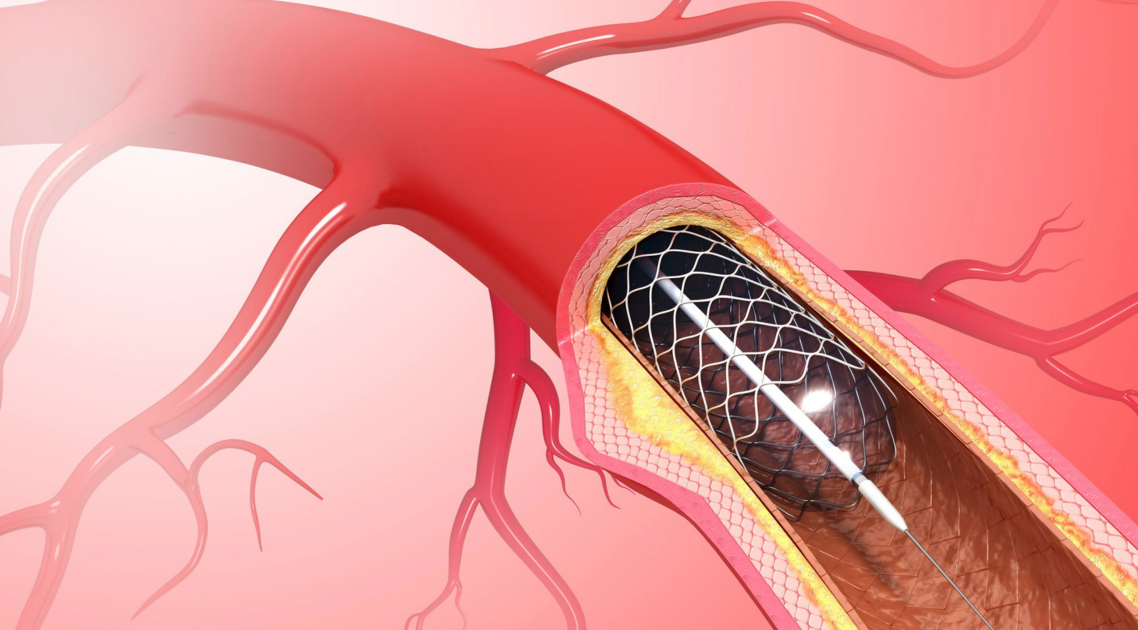
Heart Ring Price and Surgery Procedure Cost in Bangladesh
Heart block disease is a serious cardiac condition that can significantly affect blood circulation and overall heart function. One of the most effective treatment options for selected patients is heart ring (stent) surgery. In recent years, Bangladesh has made notable progress in cardiac surgery, making heart ring surgery more accessible and affordable for patients.

Dr. Mohammad Moniruzzaman
Bypass Surgery Cost in Bangladesh: Latest Prices, Hospital Comparison & Complete Cost Guide
Bypass surgery is a major open-heart operation designed to bypass blocked or damaged coronary arteries. During the procedure, surgeons take healthy blood vessels from other parts of the body (often the leg or chest) and graft them onto the heart to reroute blood flow around blockages. This helps improve oxygen delivery to cardiac tissue and reduces risks of heart attacks, angina (chest pain), and other serious complications.
Assoc. Prof. Dr. Raisul Islam
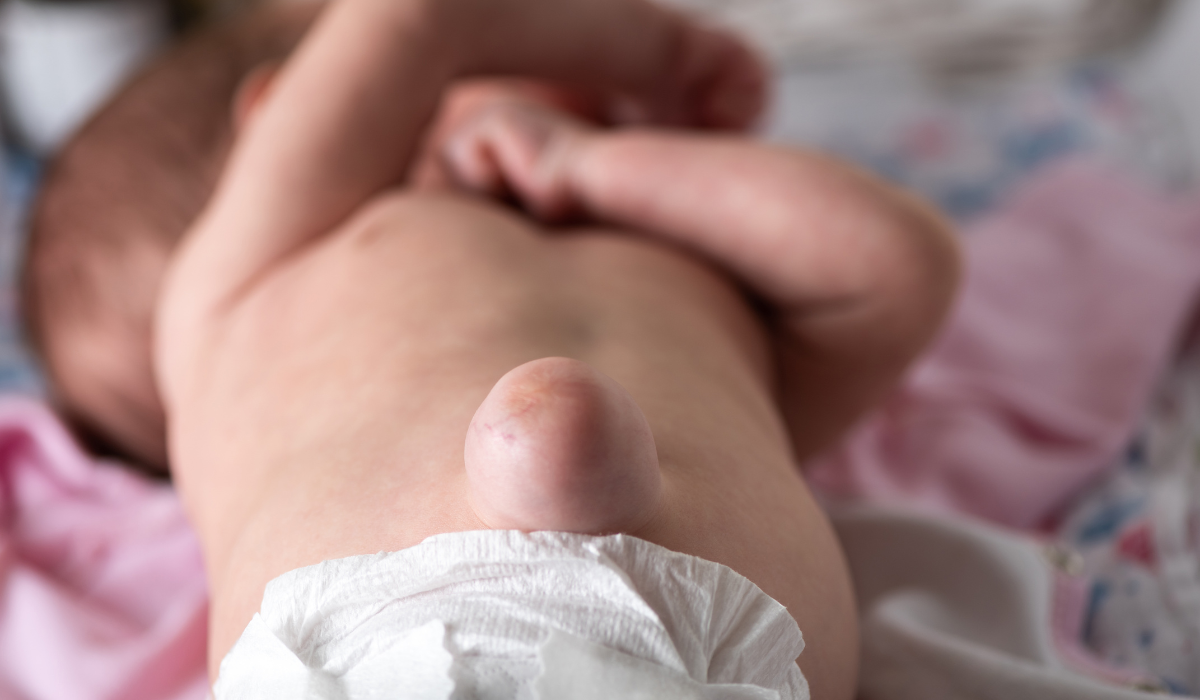
Hernia and Hernia Surgery: All Information for Bangladeshi Patients
Hernia is a common but treatable condition in Bangladesh. With timely diagnosis and proper surgery, patients can lead a completely normal life. Ignoring hernia symptoms may lead to serious complications, so always consult a qualified surgeon if you suspect a hernia.
Dr. Mohammad Moniruzzaman
এনজিওগ্রাম কী? কেন করা হয়, পদ্ধতি, সময়, ঝুঁকি ও সতর্কতা
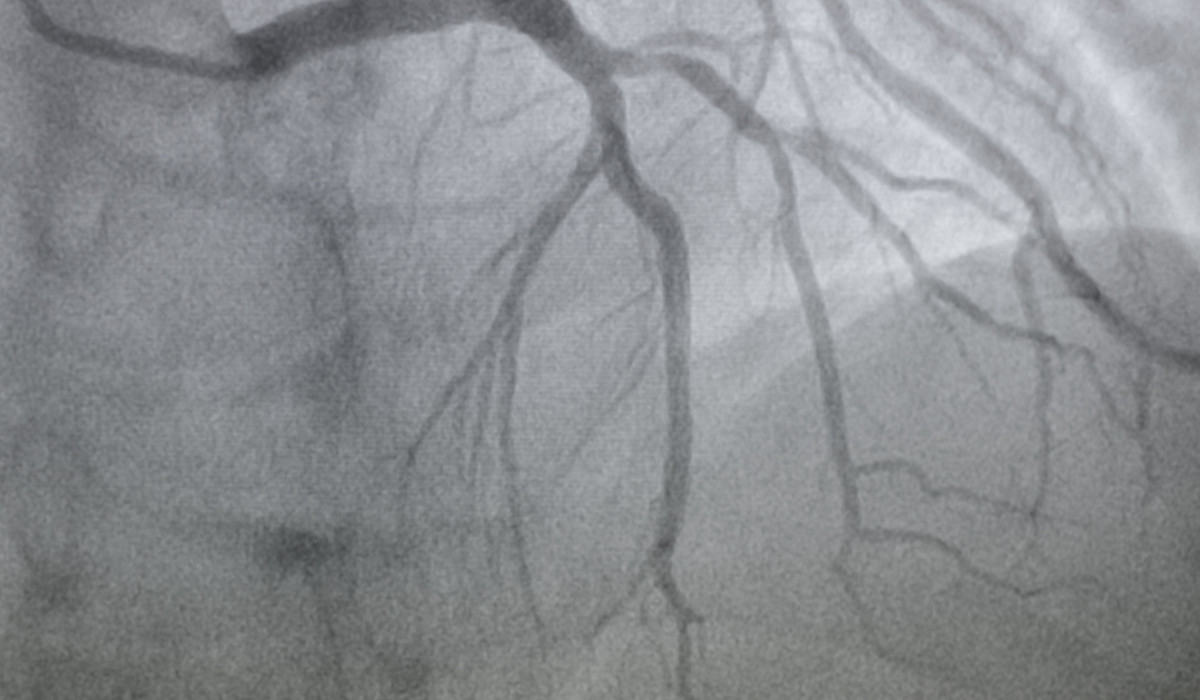
এনজিওগ্রাম একটি আধুনিক ও নির্ভুল মেডিকেল পরীক্ষা, যার মাধ্যমে হৃদপিণ্ডসহ শরীরের গুরুত্বপূর্ণ রক্তনালীগুলোর ভেতরের অবস্থা সরাসরি দেখা যায়। এই পরীক্ষায় বিশেষ কন্ট্রাস্ট ডাই ব্যবহার করে এক্স-রে প্রযুক্তির মাধ্যমে ধমনীর রক্তপ্রবাহ, ব্লক, সংকোচন বা অন্যান্য অস্বাভাবিকতা শনাক্ত করা হয়। হৃদযন্ত্রের ধমনীর ক্ষেত্রে একে করোনারি এনজিওগ্রাম বলা হয়, যা বুকে ব্যথা, হার্ট অ্যাটাকের ঝুঁকি, শ্বাসকষ্ট বা অস্বস্তির সঠিক কারণ নির্ণয়ে অত্যন্ত গুরুত্বপূর্ণ। এনজিওগ্রামের মাধ্যমে চিকিৎসক ব্লকের পরিমাণ ও অবস্থান নির্ধারণ করে পরবর্তী চিকিৎসা—ওষুধ, স্টেন্ট বা বাইপাস সার্জারি—নেওয়ার সিদ্ধান্ত নিতে পারেন। আধুনিক ক্যাথল্যাব ও অভিজ্ঞ কার্ডিওলজিস্টের তত্ত্বাবধানে এই পরীক্ষা নিরাপদ, দ্রুত এবং জীবনরক্ষাকারী ভূমিকা পালন করে।

Dr. Mohammad Moniruzzaman
Open Heart Surgery in Bangladesh: Causes, Cost, Best Hospitals, and Recovery Guide
Open heart surgery in Bangladesh is a common treatment for serious heart conditions such as blocked arteries, valve problems, and congenital defects. It is performed at leading hospitals like NICVD, National Heart Foundation, Ibrahim Cardiac, and several private hospitals with experienced cardiac surgeons. The cost is comparatively lower than many other countries, making Bangladesh a reliable option for patients seeking quality heart surgery and post-operative care.

Md. Abdus Sabur
কালের কণ্ঠে প্রকাশিত হলো Doctor Dorkar
বাংলাদেশে স্বাস্থ্যসেবার মানোন্নয়ন এবং প্রযুক্তি নির্ভর সেবা সহজলভ্য করার লক্ষ্য নিয়ে যাত্রা শুরু করেছে Doctor Dorkar। এই পথচলার একটি বড় স্বীকৃতি হিসেবে সম্প্রতি দেশের শীর্ষস্থানীয় দৈনিক কালের কণ্ঠ পত্রিকায় Doctor Dorkar নিয়ে একটি বিশেষ প্রতিবেদন প্রকাশিত হয়েছে।
Assoc. Prof. Dr. Raisul Islam
Gallbladder Stone Operation: A Complete Guide to Surgery, Cost, Tests, and Alternatives
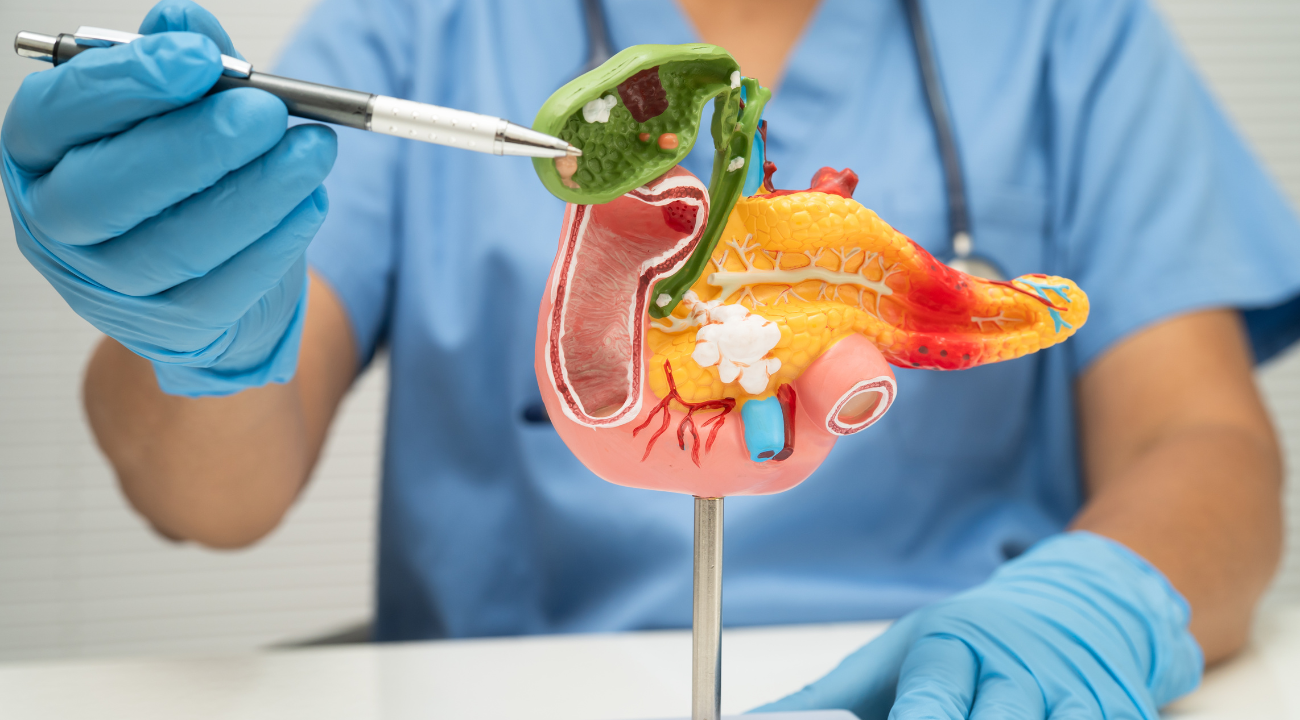
Gallbladder stones, also known as gallstones, are a common medical condition that can cause significant discomfort and complications if left untreated. When symptoms become severe or complications arise, a gallbladder stone operation—medically known as cholecystectomy—becomes the most effective treatment.

Md. Abdus Sabur
Health Checkup Test Items Name, Package Details and Package Cost
A Health Checkup helps you find out if you have a particular disease or condition. Sometimes, individuals may not show any signs of symptoms or disease. Health Checkup, followed by treatment and control of the condition can result in a good outcome and lowers the risk of having serious diseases.

Md. Abdus Sabur
ICU Hospital in Dhaka: Best ICU Services, Facilities & Cost Guide 2026
An Intensive Care Unit (ICU) is a highly specialized section of a hospital designed for patients with severe or life-threatening illnesses or injuries. These units are staffed with trained intensivists, nurses, and technicians who provide round-the-clock care.

Md. Abdus Sabur
The Best Surgery Doctors in Uttara – Expert Surgeons You Can Trust
Finding the best surgery doctor in Uttara can feel overwhelming, especially when someone needs skilled, dependable, and experienced hands for a critical procedure. Uttara, one of Dhaka’s fastest-growing healthcare hubs, is home to many highly qualified surgeons with decades of clinical expertise, advanced training, and strong reputations in their respective fields.
Md. Abdus Sabur
Expert Laparoscopic Surgeon in Uttara: Advanced Minimally Invasive Surgical Care
Uttara has emerged as one of Dhaka’s most well-planned and rapidly developing residential areas, with modern healthcare facilities growing alongside it. Among the most sought-after medical services in this region is minimally invasive surgery, particularly laparoscopic procedures. Choosing a qualified laparoscopic surgeon in Uttara is an important decision for patients seeking safe, effective, and faster recovery-focused surgical treatment.

Md. Abdus Sabur
Best Colorectal Surgeon in Uttara – A Comprehensive Guide for Patients
When it comes to colorectal health, finding an experienced and reliable surgeon is paramount. Residents of Uttara, one of Dhaka’s largest and most dynamic neighborhoods, often seek local specialists for conditions like piles (hemorrhoids), fistulas, anal fissures, colorectal cancer, and other colorectal disorders.
Assoc. Prof. Dr. Raisul Islam
PLID Treatment Options in Bangladesh: What Patients Need to Know
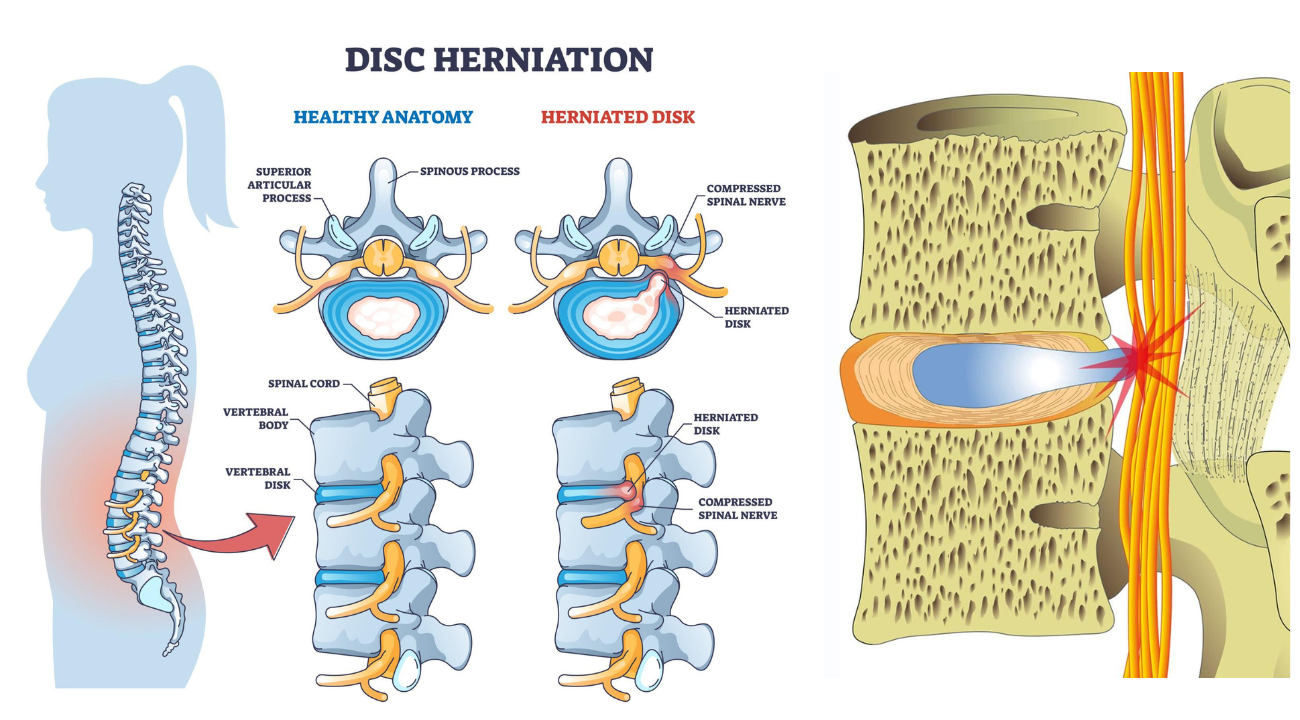
PLID (Prolapsed Lumbar Intervertebral Disc) is a common spinal condition where a disc in the lower back slips or ruptures, causing pressure on nearby nerves. It often leads to back pain, sciatica, numbness, and weakness in the legs. Treatment in Bangladesh includes physiotherapy, medication, and advanced surgical options, depending on severity. With early diagnosis and proper care, most patients recover successfully and return to normal life.

Md. Abdus Sabur
The Best Cardiac Surgeons in Bangladesh - Verified Heart Specialists
A cardiac surgeon is a highly trained medical professional who specializes in performing surgeries related to the heart and major blood vessels. These surgeries are often complex and require years of education, training, and hands-on experience.

Md. Abdus Sabur
The Best Neurologists in Dhaka for Expert Neurology Treatment
Dhaka has many experienced neurology specialists with national and international training. Below are some of the most recognized neurologists based on qualifications, experience, and hospital affiliations.

Md. Abdus Sabur
Best Gynecologists in Dhaka | Gynecology & Obstetrics Specialist List
Women’s health requires specialized medical care at every stage of life. From menstrual problems and pregnancy care to infertility, high-risk pregnancy, gynecological cancer, and reproductive health concerns, choosing an experienced gynecologist is important for proper diagnosis and treatment.

Md. Abdus Sabur
The Best Medicine Doctors in Mirpur Dhaka for Quality Healthcare
When searching for a trusted medicine doctor in Mirpur Dhaka, choosing a qualified and experienced physician is essential for accurate diagnosis, effective treatment, and long-term health management.
Md. Abdus Sabur
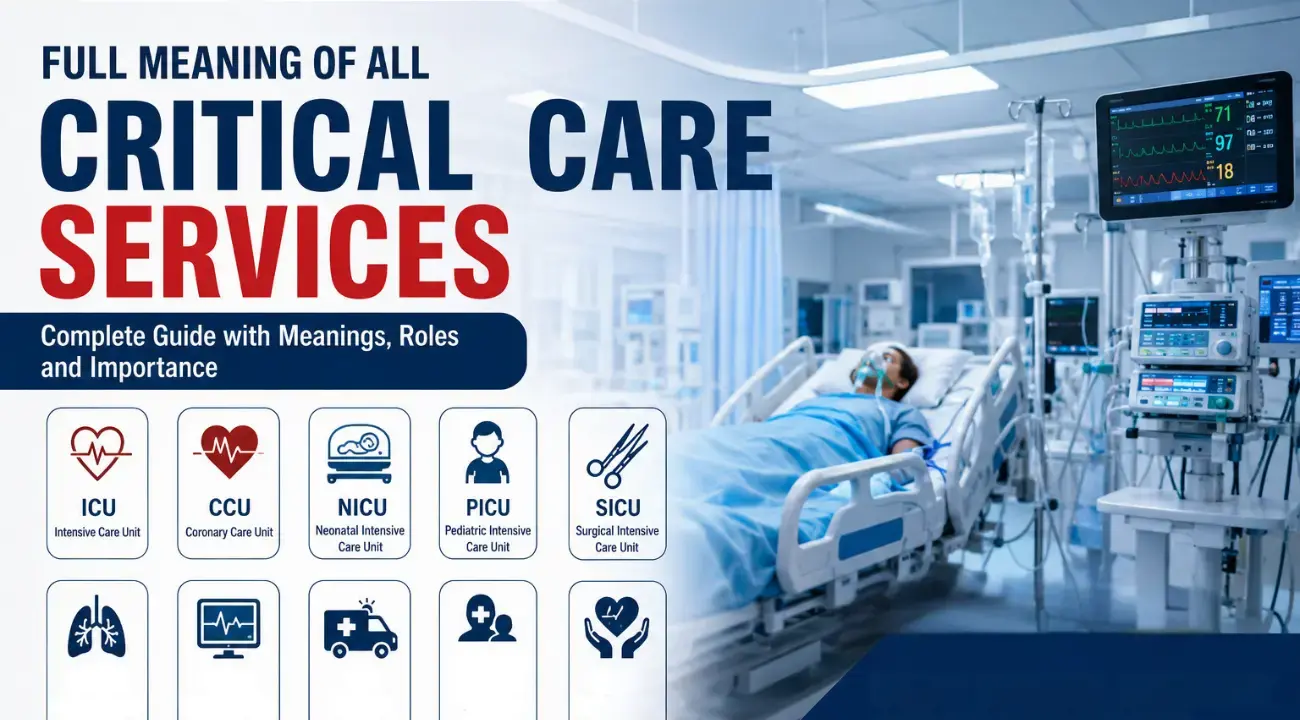
Full Meaning of All Critical Care Services in Hospitals
When a patient faces a serious illness or emergency condition, critical care services become extremely important. Many people hear terms like ICU, NICU, CCU, HDU, and SICU but do not fully understand what these medical departments actually mean. In this guide, we explain the full meaning of all major critical care services, their functions, and when patients may need them.
Share Your Feedback
Share your thoughts and feedback with our community
No comments yet
Be the first to share your thoughts!