06 Apr 2026
Gallbladder Stone Operation: A Complete Guide to Surgery, Cost, Tests, and Alternatives
This comprehensive guide explains everything a patient needs to know, including what tests are done before gallbladder surgery, operation types, duration, laparoscopic procedures, costs in Bangladesh, side effects, and non-surgical options.
What Is a Gallbladder Stone Operation?
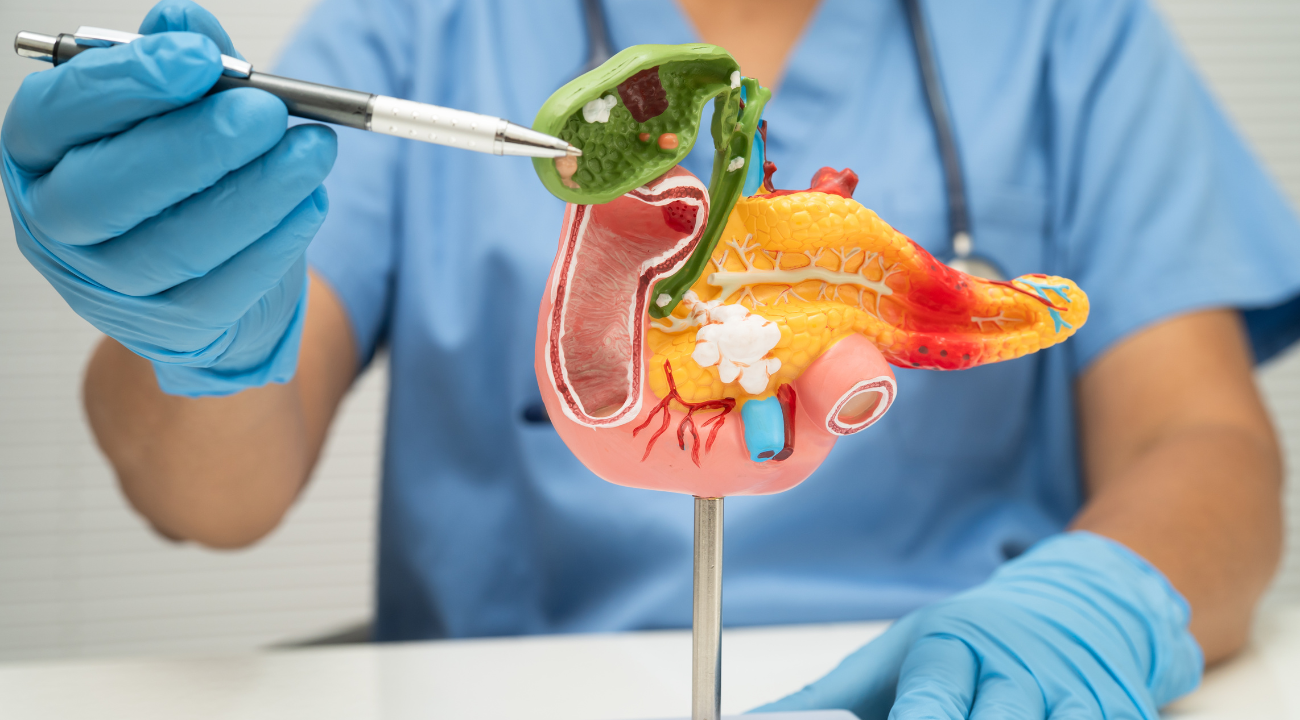
A gallbladder stone operation involves the surgical removal of the gallbladder, a small organ located beneath the liver that stores bile. Gallstones form when substances in bile, such as cholesterol or bilirubin, harden into solid particles.
When these stones block bile ducts or cause inflammation, surgery is often recommended. Removing the gallbladder does not significantly affect digestion, as bile can flow directly from the liver into the small intestine.
Symptoms That May Require Surgery
Gallbladder stones do not always need immediate surgical removal. However, when symptoms become persistent, severe, or lead to complications, doctors strongly consider a gallbladder stone operation as the most effective treatment. Recognizing these symptoms early helps prevent serious health risks.
1. Severe Abdominal Pain (Biliary Colic)
One of the most common signs is intense pain in the upper right abdomen. This pain may:
- Start suddenly and last from minutes to several hours
- Spread to the back or right shoulder
- Occur after eating fatty or heavy meals
Frequent or severe pain episodes are a strong indication that surgery may be necessary.
2. Nausea and Vomiting
Gallstones can interfere with normal digestion, leading to:
- Persistent nausea
- Recurrent vomiting after meals
When these symptoms occur regularly, they may signal that the gallbladder is not functioning properly.
3. Indigestion and Bloating
Patients often experience:
- Gas and bloating
- A feeling of fullness after small meals
- Difficulty digesting fatty foods
While mild cases can be managed with diet, ongoing discomfort may require surgical evaluation.
4. Fever and Chills
Fever combined with abdominal pain can indicate a gallbladder infection (cholecystitis). This is a serious condition that may require urgent surgery to prevent complications.
5. Jaundice (Yellowing of Skin and Eyes)
If a gallstone blocks the bile duct, bile builds up in the body, causing:
- Yellowing of the skin and eyes
- Dark urine
- Pale stools
This condition requires immediate medical attention and often surgical intervention.
6. Pancreatitis Symptoms
Gallstones can sometimes block the pancreatic duct, leading to pancreatitis. Symptoms include:
- Severe abdominal pain radiating to the back
- Nausea and vomiting
- Fever
This is a medical emergency and often requires prompt surgery.
7. Recurrent Gallbladder Attacks
Repeated episodes of pain and discomfort indicate chronic gallbladder disease. In such cases, surgery is usually recommended to prevent worsening conditions.
What Tests Are Done Before Gallbladder Surgery?
Before performing a gallbladder stone operation, doctors conduct several tests to confirm the diagnosis and assess the patient’s overall health.
1. Ultrasound (USG)
This is the most common and effective imaging test used to detect gallstones. It provides a clear image of the gallbladder and bile ducts.
2. Blood Tests
Blood tests help identify infection, inflammation, and liver function abnormalities. Common tests include:
- Liver function tests (LFTs)
- Complete blood count (CBC)
- Bilirubin levels
3. CT Scan or MRI
In complex cases, a CT scan or MRI may be used to detect complications such as inflammation, infection, or bile duct obstruction.
4. HIDA Scan
A hepatobiliary iminodiacetic acid (HIDA) scan evaluates how well the gallbladder is functioning and whether bile flow is blocked.
5. ECG and Chest X-ray
For older patients or those with underlying conditions, these tests ensure the heart and lungs are fit for surgery.
These preoperative tests are essential to ensure patient safety and determine the most appropriate surgical approach.
Gallbladder Stone Operation Types
Gallbladder stones, medically known as gallstones, are a common digestive condition that can lead to significant discomfort and complications if left untreated. When medication and lifestyle changes fail, surgery becomes the most effective solution. Understanding the different gallbladder stone operation types helps patients make informed decisions about their treatment.
Why Surgery Is Needed
Surgery is the most reliable treatment because it removes the gallbladder entirely, preventing future stone formation. The procedure is known as cholecystectomy. There are several gallbladder stone operation types, each suited to different patient conditions.
Main Gallbladder Stone Operation Types
1. Laparoscopic Cholecystectomy (Keyhole Surgery)
This is the most common and preferred method worldwide.
Procedure:
- Small incisions are made in the abdomen
- A tiny camera (laparoscope) is inserted
- Surgical tools remove the gallbladder
Advantages:
- Minimally invasive
- Less pain
- Short hospital stay (often same day or 24 hours)
- Quick recovery (about 1–2 weeks)
Best For:
Patients with uncomplicated gallstones
2. Open Cholecystectomy
This is a traditional surgical method used when laparoscopic surgery is not suitable.
Procedure:
- A larger incision is made in the abdomen
- The gallbladder is removed directly
Advantages:
- Safer in complicated cases
- Better visibility for surgeons
Disadvantages:
- Longer recovery (4–6 weeks)
- More postoperative pain
- Longer hospital stay
Best For:
- Severe inflammation or infection
- Large gallstones
- Previous abdominal surgeries
3. Laparoscopic Converted to Open Surgery
In some cases, a laparoscopic procedure may need to be converted into open surgery during the operation.
Reasons for conversion:
- Unexpected complications
- Excessive bleeding
- Poor visibility due to inflammation
This is not considered a failure but a safety measure to ensure the best outcome.
4. Single-Incision Laparoscopic Surgery (SILS)
This is an advanced version of laparoscopic surgery.
Procedure:
- Only one small incision is made, usually at the navel
Advantages:
- Minimal scarring
- Faster healing
- Better cosmetic results
Limitations:
- Not suitable for all patients
- Requires specialized surgical expertise
5. Robotic-Assisted Cholecystectomy
A modern and highly precise surgical method.
Procedure:
- Performed using robotic arms controlled by a surgeon
- Offers enhanced 3D visualization
Advantages:
- Greater precision
- Reduced risk of complications
- Faster recovery
Disadvantages:
- Higher cost
- Limited availability in some regions
Risks and Complications
While gallbladder surgery is generally safe, some risks may include:
- Infection
- Bleeding
- Bile leakage
- Injury to nearby organs
However, these complications are rare, especially with experienced surgeons.
Gallbladder Stone Operation by Laparoscopy
Laparoscopic gallbladder surgery is considered the gold standard treatment for gallstones.
Procedure Overview:
- The patient is given general anesthesia.
- Small incisions (usually 3–4) are made in the abdomen.
- A laparoscope (a thin tube with a camera) is inserted.
- Surgical instruments are used to remove the gallbladder.
- The incisions are closed with sutures or surgical glue.
Advantages:
- Minimal pain after surgery
- Short hospital stay (often same-day discharge)
- Quick return to normal activities
- Lower risk of complications
Most patients prefer this method due to its safety and convenience.
Gallbladder Stone Operation Duration
The duration of gallbladder surgery depends on the type of procedure and complexity.
Average Duration:
- Laparoscopic surgery: 30 minutes to 1.5 hours
- Open surgery: 1.5 to 3 hours
Factors affecting duration include:
- Size and number of stones
- Presence of infection or inflammation
- Patient’s overall health
- Surgeon’s experience
Post-surgery recovery time is also shorter with laparoscopic procedures.
Recovery After Gallbladder Surgery
Recovery varies depending on the type of surgery.
Laparoscopic Surgery Recovery:
- Discharge within 24 hours
- Return to normal activities in 5–7 days
- Full recovery within 2–3 weeks
Open Surgery Recovery:
- Hospital stay of 3–5 days
- Recovery period of 4–6 weeks
Post-Surgery Care Tips:
- Follow a low-fat diet initially
- Avoid heavy lifting
- Keep incision area clean
- Take prescribed medications
Proper post-operative care ensures faster healing and reduces complications.
Gallbladder Stone Operation Cost in Bangladesh
The cost of a gallbladder stone operation in Bangladesh varies depending on the hospital, surgeon’s expertise, and type of procedure.
Estimated Cost Range:
| Type of Surgery | Cost (BDT) |
| Laparoscopic Surgery | ৳40,000 – ৳120,000 |
| Open Surgery | ৳30,000 – ৳80,000 |
| Private Hospitals | ৳80,000 – ৳200,000+ |
Factors Affecting Cost:
- Hospital location and facilities
- Surgeon’s experience
- Preoperative tests
- Postoperative care and medications
Government hospitals generally offer more affordable options, while private hospitals provide faster service and advanced facilities.
Gallbladder Stone Operation Common Side Effects
Gallbladder stone surgery, medically known as cholecystectomy, is one of the most common and generally safe procedures performed worldwide. While the surgery effectively treats gallstones and prevents complications, it is important to understand the potential side effects and risks associated with the operation.
1. Digestive Changes
One of the most common side effects is a change in digestion. Since the gallbladder stores bile, its removal affects how bile flows into the digestive system.
Possible symptoms include:
- Bloating
- Gas
- Mild diarrhea
- Difficulty digesting fatty foods
These symptoms are usually temporary and improve within a few weeks or months.
2. Diarrhea (Post-Cholecystectomy Diarrhea)
Some patients experience frequent loose stools after surgery.
- Caused by continuous bile flow into the intestines
- Typically mild and resolves over time
- In rare cases, it may persist and require dietary adjustments or medication
3. Pain and Discomfort
Mild to moderate pain is expected after surgery, especially around the incision site.
Common areas of discomfort:
- Abdomen
- Shoulder (due to gas used during laparoscopic surgery)
Pain usually subsides within a few days to a week.
4. Nausea or Vomiting
Temporary nausea may occur due to:
- Anesthesia effects
- Changes in digestion
This side effect typically resolves within a short period.
Less Common Side Effects
5. Infection
As with any surgical procedure, there is a risk of infection.
Signs to watch for:
- Redness or swelling at the incision site
- Fever
- Pus or unusual discharge
Prompt medical attention ensures quick recovery.
6. Bile Leakage
In rare cases, bile may leak into the abdominal cavity after surgery.
Symptoms include:
- Severe abdominal pain
- Fever
- Nausea
This condition requires immediate medical care.
7. Injury to Nearby Structures
Although uncommon, nearby organs such as the bile ducts, liver, or intestines may be affected during surgery.
Experienced surgeons significantly reduce this risk.
Long-Term Side Effects
8. Difficulty Digesting Fatty Foods
Without a gallbladder, bile is not stored but continuously released, which may affect fat digestion.
Long-term adjustments may include:
- Eating smaller meals
- Reducing fatty food intake
9. Post-Cholecystectomy Syndrome
A small percentage of patients experience ongoing symptoms such as:
- Abdominal pain
- Indigestion
- Diarrhea
This condition is known as post-cholecystectomy syndrome and may require further evaluation.
How to Reduce Side Effects After Surgery
Patients can take several steps to minimize complications and improve recovery:
- Follow a low-fat diet initially
- Eat small, frequent meals
- Stay hydrated
- Avoid heavy lifting for a few weeks
- Follow all post-operative instructions from the doctor
When to Seek Medical Attention
Immediate medical care is necessary if any of the following symptoms occur:
- High fever
- Severe abdominal pain
- Persistent vomiting
- Yellowing of the skin (jaundice)
- Signs of infection
Early intervention ensures better outcomes.
How to Remove Gallbladder Stone Without Operation
Many patients look for ways to remove gallstones without surgery. While non-surgical options exist, they are limited and not always effective.
1. Medications
Doctors may prescribe oral bile acids (such as ursodeoxycholic acid) to dissolve cholesterol stones.
Limitations:
- Works only for small stones
- Takes months or years
- Stones may recur
2. Diet and Lifestyle Changes
Maintaining a healthy diet can help manage symptoms and prevent new stones.
Recommended Changes:
- Low-fat diet
- High fiber intake
- Regular exercise
- Adequate hydration
3. Shock Wave Therapy (Rare)
Extracorporeal shock wave lithotripsy (ESWL) is used in selected cases to break stones.
4. Natural Remedies (Caution)
Some people use herbal remedies or “gallbladder flushes,” but these are not scientifically proven and may be risky.
Important Note:
Non-surgical methods do not provide a permanent solution for symptomatic gallstones. Surgery remains the most effective and definitive treatment.
Benefits of Gallbladder Stone Operation
The advantages of undergoing surgery include:
- Permanent relief from pain
- Prevention of complications
- Improved digestion over time
- Better quality of life
Laparoscopic surgery, in particular, offers faster recovery and minimal discomfort.
Risks of Avoiding Surgery
Ignoring symptomatic gallstones can lead to serious complications:
- Gallbladder infection
- Pancreatitis
- Bile duct obstruction
- Gallbladder rupture (rare but dangerous)
Timely treatment is essential to avoid these risks.
Choosing the Right Hospital and Surgeon
Selecting a qualified surgeon and hospital is crucial for a successful outcome.
Consider the Following:
- Surgeon’s experience in laparoscopic procedures
- Hospital facilities and equipment
- Patient reviews and success rates
- Cost transparency
In Bangladesh, many reputable hospitals offer advanced laparoscopic surgery with experienced specialists.
Conclusion
A gallbladder stone operation is a safe and effective solution for patients suffering from symptomatic gallstones. With advancements in medical technology, especially laparoscopic surgery, the procedure has become less invasive, quicker, and more accessible.
Understanding what tests are done before gallbladder surgery, operation types, duration, costs in Bangladesh, and possible side effects helps patients make informed decisions. While non-surgical options may offer temporary relief, surgery remains the most reliable and long-term solution.
Read Useful FAQs
A gallbladder stone operation, also known as cholecystectomy, is a surgical procedure to remove the gallbladder when gallstones cause pain, infection, or other complications. It is the most effective and permanent solution for symptomatic gallstones.
There are two main types:
- Laparoscopic cholecystectomy (minimally invasive and most common)
- Open cholecystectomy (used in complicated cases)
The choice depends on the patient’s condition and medical history.
It is a minimally invasive procedure where small incisions are made, and a camera (laparoscope) is used to remove the gallbladder. It offers faster recovery, less pain, and minimal scarring compared to open surgery.
Common side effects include mild pain, nausea, bloating, and temporary diarrhea. Serious complications are rare but may include infection, bleeding, or bile leakage.
In some cases, medications and lifestyle changes may help dissolve small stones. However, these methods are slow and not always effective. Surgery remains the most reliable treatment for symptomatic gallstones.
Surgery is recommended when gallstones cause severe pain, repeated attacks, infection, jaundice, or complications like pancreatitis.
Before surgery, doctors usually recommend tests such as ultrasound, blood tests (LFT, CBC), CT scan or MRI, HIDA scan, and sometimes ECG or chest X-ray. These tests help confirm the diagnosis and ensure the patient is fit for surgery.
The duration depends on the type of surgery:
- Laparoscopic surgery: 30 minutes to 1.5 hours
- Open surgery: 1.5 to 3 hours
Complex cases may take longer.
The cost varies depending on the hospital and procedure:
- Laparoscopic surgery: ৳40,000 – ৳120,000
- Open surgery: ৳30,000 – ৳80,000
Private hospitals may charge more based on facilities and surgeon expertise.
Recovery time depends on the procedure:
- Laparoscopic: 1–2 weeks for normal activities
- Open surgery: 4–6 weeks for full recovery
Following doctor’s advice helps speed up healing.
Yes, most people live a normal and healthy life without a gallbladder. Some may need to avoid fatty foods initially, but digestion usually adjusts over time.
Yes, gallbladder surgery—especially laparoscopic—is considered safe and routine. Complications are rare when performed by an experienced surgeon.

Assoc. Prof. Dr. Raisul Islam
MBBS, FCPS (Surgery), MS (Surgery) BSMMU
I am Associate Professor Dr. Raisul Islam, a highly skilled surgeon specializing in advanced general surgery, laparoscopic surgery, hernia surgery, breast surgery, laser surgery, and laser proctological and colorectal surgery. With over 10 years of experience, I have successfully performed numerous complex laparoscopic and laser colorectal procedures in recent years at SHIP International Hospital and Shaheed Monsur Ali Medical College Hospital, Uttara. Currently, I serve as an Associate Professor of Surgery at Shaheed Monsur Ali Medical College Hospital and as an evening Consultant Surgeon at SHIP International Hospital. Earlier in my career, I worked as an Assistant Professor of Surgery at Enam Medical College and International Medical College Hospital. I obtained my MS (General Surgery) degree from Bangabandhu Sheikh Mujib Medical University (formerly PG Hospital) in 2021. My passion lies in providing advanced surgical care using modern techniques to ensure the best possible outcomes for my patients.
General Surgeon / Surgery Specialist
More Blogs:
Trusted Health News and Wellness Updates

Dr. Mohammad Moniruzzaman
Open Heart Surgery in Bangladesh: Types, Causes, Costs, Hospitals & Doctors
Open heart surgery is a major operation, and many people in Bangladesh undergo it every year. Doctors usually recommend this surgery when the heart has a serious issue that medicines, lifestyle changes, or smaller procedures can no longer fix.

Dr. Mohammad Moniruzzaman
TOF Surgery in Bangladesh: Symptoms, Surgery Cost and Success Rate
Tetralogy of Fallot, also called TOF, is a heart problem that starts at birth. It affects how blood flows from the heart to the lungs. Many children in Bangladesh with this condition need surgery early in life. You may feel stressed when you hear about heart surgery, but clear information helps you stay steady. This guide walks you through TOF, treatment steps, surgery choices, cost, and care.

Dr. Mohammad Moniruzzaman
Heart Valve Replacement in Bangladesh – Symptoms, Types, Steps, Procedure, Cost and Best Hospitals
Heart valve problems can affect your daily life in many ways. You may feel tired, weak, or short of breath. Simple tasks can take more effort. Heart valve replacement gives you a safe way to fix this problem. Many hospitals in Bangladesh now offer strong care for this surgery. You can get good treatment without leaving the country.
Md. Abdus Sabur
Angiogram Cost in Bangladesh – Complete Information
An angiogram is a specialised diagnostic test used to examine the blood vessels of the heart, brain, or other parts of the body. It plays an important role in detecting blockages, narrowing, or abnormalities in arteries and veins. The need for angiograms has increased significantly due to the increasing number of heart disease and blood vessel problems in Bangladesh. Patients often search for the angiogram cost in Bangladesh to plan their treatment effectively. I have listed the cost of angiograms at the top hospitals in Bangladesh.
Assoc. Prof. Dr. Raisul Islam
Piles (পাইলস): Symptoms, Treatment, Cost, Best Doctors, and Hospitals in Bangladesh
Piles is one of the most common health problems in Bangladesh. Yet it remains one of the least discussed. Many people live with pain, bleeding, and discomfort for months or even years before seeking help. The reason is almost always embarrassment.
Md. Abdus Sabur
Heart Ring Price and Surgery Procedure Cost in Bangladesh
Heart block disease is a serious cardiac condition that can significantly affect blood circulation and overall heart function. One of the most effective treatment options for selected patients is heart ring (stent) surgery. In recent years, Bangladesh has made notable progress in cardiac surgery, making heart ring surgery more accessible and affordable for patients.

Dr. Mohammad Moniruzzaman
Bypass Surgery Cost in Bangladesh: Latest Prices, Hospital Comparison & Complete Cost Guide
Bypass surgery is a major open-heart operation designed to bypass blocked or damaged coronary arteries. During the procedure, surgeons take healthy blood vessels from other parts of the body (often the leg or chest) and graft them onto the heart to reroute blood flow around blockages. This helps improve oxygen delivery to cardiac tissue and reduces risks of heart attacks, angina (chest pain), and other serious complications.
Assoc. Prof. Dr. Raisul Islam
Hernia and Hernia Surgery: All Information for Bangladeshi Patients
Hernia is a common but treatable condition in Bangladesh. With timely diagnosis and proper surgery, patients can lead a completely normal life. Ignoring hernia symptoms may lead to serious complications, so always consult a qualified surgeon if you suspect a hernia.
Dr. Mohammad Moniruzzaman
এনজিওগ্রাম কী? কেন করা হয়, পদ্ধতি, সময়, ঝুঁকি ও সতর্কতা
এনজিওগ্রাম একটি আধুনিক ও নির্ভুল মেডিকেল পরীক্ষা, যার মাধ্যমে হৃদপিণ্ডসহ শরীরের গুরুত্বপূর্ণ রক্তনালীগুলোর ভেতরের অবস্থা সরাসরি দেখা যায়। এই পরীক্ষায় বিশেষ কন্ট্রাস্ট ডাই ব্যবহার করে এক্স-রে প্রযুক্তির মাধ্যমে ধমনীর রক্তপ্রবাহ, ব্লক, সংকোচন বা অন্যান্য অস্বাভাবিকতা শনাক্ত করা হয়। হৃদযন্ত্রের ধমনীর ক্ষেত্রে একে করোনারি এনজিওগ্রাম বলা হয়, যা বুকে ব্যথা, হার্ট অ্যাটাকের ঝুঁকি, শ্বাসকষ্ট বা অস্বস্তির সঠিক কারণ নির্ণয়ে অত্যন্ত গুরুত্বপূর্ণ। এনজিওগ্রামের মাধ্যমে চিকিৎসক ব্লকের পরিমাণ ও অবস্থান নির্ধারণ করে পরবর্তী চিকিৎসা—ওষুধ, স্টেন্ট বা বাইপাস সার্জারি—নেওয়ার সিদ্ধান্ত নিতে পারেন। আধুনিক ক্যাথল্যাব ও অভিজ্ঞ কার্ডিওলজিস্টের তত্ত্বাবধানে এই পরীক্ষা নিরাপদ, দ্রুত এবং জীবনরক্ষাকারী ভূমিকা পালন করে।

Dr. Mohammad Moniruzzaman
Open Heart Surgery in Bangladesh: Causes, Cost, Best Hospitals, and Recovery Guide
Open heart surgery in Bangladesh is a common treatment for serious heart conditions such as blocked arteries, valve problems, and congenital defects. It is performed at leading hospitals like NICVD, National Heart Foundation, Ibrahim Cardiac, and several private hospitals with experienced cardiac surgeons. The cost is comparatively lower than many other countries, making Bangladesh a reliable option for patients seeking quality heart surgery and post-operative care.

Md. Abdus Sabur
কালের কণ্ঠে প্রকাশিত হলো Doctor Dorkar
বাংলাদেশে স্বাস্থ্যসেবার মানোন্নয়ন এবং প্রযুক্তি নির্ভর সেবা সহজলভ্য করার লক্ষ্য নিয়ে যাত্রা শুরু করেছে Doctor Dorkar। এই পথচলার একটি বড় স্বীকৃতি হিসেবে সম্প্রতি দেশের শীর্ষস্থানীয় দৈনিক কালের কণ্ঠ পত্রিকায় Doctor Dorkar নিয়ে একটি বিশেষ প্রতিবেদন প্রকাশিত হয়েছে।

Md. Abdus Sabur
Health Checkup Test Items Name, Package Details and Package Cost
A Health Checkup helps you find out if you have a particular disease or condition. Sometimes, individuals may not show any signs of symptoms or disease. Health Checkup, followed by treatment and control of the condition can result in a good outcome and lowers the risk of having serious diseases.

Md. Abdus Sabur
ICU Hospital in Dhaka: Best ICU Services, Facilities & Cost Guide 2026
An Intensive Care Unit (ICU) is a highly specialized section of a hospital designed for patients with severe or life-threatening illnesses or injuries. These units are staffed with trained intensivists, nurses, and technicians who provide round-the-clock care.

Md. Abdus Sabur
The Best Surgery Doctors in Uttara – Expert Surgeons You Can Trust
Finding the best surgery doctor in Uttara can feel overwhelming, especially when someone needs skilled, dependable, and experienced hands for a critical procedure. Uttara, one of Dhaka’s fastest-growing healthcare hubs, is home to many highly qualified surgeons with decades of clinical expertise, advanced training, and strong reputations in their respective fields.

Md. Abdus Sabur
Expert Laparoscopic Surgeon in Uttara: Advanced Minimally Invasive Surgical Care
Uttara has emerged as one of Dhaka’s most well-planned and rapidly developing residential areas, with modern healthcare facilities growing alongside it. Among the most sought-after medical services in this region is minimally invasive surgery, particularly laparoscopic procedures. Choosing a qualified laparoscopic surgeon in Uttara is an important decision for patients seeking safe, effective, and faster recovery-focused surgical treatment.

Md. Abdus Sabur
Best Colorectal Surgeon in Uttara – A Comprehensive Guide for Patients
When it comes to colorectal health, finding an experienced and reliable surgeon is paramount. Residents of Uttara, one of Dhaka’s largest and most dynamic neighborhoods, often seek local specialists for conditions like piles (hemorrhoids), fistulas, anal fissures, colorectal cancer, and other colorectal disorders.
Assoc. Prof. Dr. Raisul Islam
PLID Treatment Options in Bangladesh: What Patients Need to Know
PLID (Prolapsed Lumbar Intervertebral Disc) is a common spinal condition where a disc in the lower back slips or ruptures, causing pressure on nearby nerves. It often leads to back pain, sciatica, numbness, and weakness in the legs. Treatment in Bangladesh includes physiotherapy, medication, and advanced surgical options, depending on severity. With early diagnosis and proper care, most patients recover successfully and return to normal life.

Md. Abdus Sabur
The Best Cardiac Surgeons in Bangladesh - Verified Heart Specialists
A cardiac surgeon is a highly trained medical professional who specializes in performing surgeries related to the heart and major blood vessels. These surgeries are often complex and require years of education, training, and hands-on experience.

Md. Abdus Sabur
The Best Neurologists in Dhaka for Expert Neurology Treatment
Dhaka has many experienced neurology specialists with national and international training. Below are some of the most recognized neurologists based on qualifications, experience, and hospital affiliations.

Md. Abdus Sabur
Best Gynecologists in Dhaka | Gynecology & Obstetrics Specialist List
Women’s health requires specialized medical care at every stage of life. From menstrual problems and pregnancy care to infertility, high-risk pregnancy, gynecological cancer, and reproductive health concerns, choosing an experienced gynecologist is important for proper diagnosis and treatment.

Md. Abdus Sabur
The Best Medicine Doctors in Mirpur Dhaka for Quality Healthcare
When searching for a trusted medicine doctor in Mirpur Dhaka, choosing a qualified and experienced physician is essential for accurate diagnosis, effective treatment, and long-term health management.
Md. Abdus Sabur
Full Meaning of All Critical Care Services in Hospitals
When a patient faces a serious illness or emergency condition, critical care services become extremely important. Many people hear terms like ICU, NICU, CCU, HDU, and SICU but do not fully understand what these medical departments actually mean. In this guide, we explain the full meaning of all major critical care services, their functions, and when patients may need them.
Share Your Feedback
Share your thoughts and feedback with our community
No comments yet
Be the first to share your thoughts!