
08 Apr 2026
Heart Valve Replacement in Bangladesh – Symptoms, Types, Steps, Procedure, Cost and Best Hospitals
Heart valve replacement in Bangladesh treats tight or leaky valves that weaken the heart. Many hospitals offer safe surgery with trained teams and modern tools. Costs usually range from 70,000 to 150,000 BDT in government hospitals and 300,000 to 800,000 BDT in private centers.
Now let’s walk through the signs, surgery steps, risks, and recovery so you know what to expect. This guide explains the surgery, the steps, the risks, the cost, and how life feels after recovery. The goal is to help you make calm and confident choices.
What Is Heart Valve Replacement Surgery
Heart valve replacement is a surgery that removes a weak or stiff valve and sets a new one in its place. The new valve helps your heart push blood in the right direction. This treatment gives you better flow, more strength, and safer long-term heart function.
Some valves become tight from thick tissue or long-term damage. A tight valve slows blood flow and forces your heart to pump harder. This strain can lead to chest pressure, breathlessness, and low energy during daily tasks.
Other valves leak and let blood move backward through the heart. A leaking valve makes each beat less effective. Your heart must work extra to move the same amount of blood, which can lead to swelling, fast heartbeats, and weakness.
Medicines can ease symptoms but cannot fix severe valve damage. When the valve cannot open or close well, surgery becomes the best fix. Replacing the valve protects your heart muscle and helps you stay active with far less strain.
How Serious Is Heart Valve Replacement Surgery
Heart valve surgery sounds scary at first. It is a major treatment, but many patients do well when they get care at the right time. Doctors follow safe steps to reduce risk and guide you through recovery.
Is Valve Replacement a Major Surgery?
Heart valve replacement counts as a major surgery because doctors open your chest and work directly on your heart. A heart-lung machine keeps blood moving during the operation. Even with this level of care, many patients heal well and return to normal routines within weeks.
The surgery needs a trained team, a safe ICU, and close monitoring after the procedure. Doctors watch your breathing, heart rhythm, and blood flow during the first hours. This strong support lowers risk and helps you feel steady as your body adjusts to the new valve.
Risks Involved and How Doctors Manage Them
Any heart valve surgery carries risks like bleeding, infection, or rhythm issues. These problems can happen when the body reacts to the cut, the new valve, or the time on the heart-lung machine. The care team prepares for these risks and acts fast if any warning signs appear.
Doctors manage risk by checking your heart, lungs, and blood before surgery. They adjust your medicines, plan safe steps, and guide you through ICU care. A trained team watches your vitals closely, controls pain, and supports your breathing so you stay stable during the early hours of recovery.
Why Early Surgery Reduces Seriousness
Early surgery keeps the heart from getting too weak or stretched. A stronger heart handles the procedure better and pumps with less strain after the new valve is placed. This leads to smoother healing and fewer problems during the first days of recovery.
Waiting too long can let pressure build inside the heart. This extra load slows blood flow and harms the muscle. When surgery happens on time, the heart still has enough strength to recover quickly, support normal blood flow, and help you return to daily life with less stress.
Safety Improvements in Bangladesh’s Cardiac Centers
Bangladesh has seen steady growth in cardiac surgery with safer tools and stronger systems. Many centers now use updated machines, cleaner operating rooms, and better monitoring. These steps lower risk and give patients safer care during and after valve surgery.
Ship International Hospital is one example of this progress. The hospital uses modern imaging, trained heart teams, and a well-equipped ICU to manage complex cases. These upgrades help doctors act fast, guide safer surgery plans, and support patients through a stable and smooth recovery.
Signs, Causes, and Diagnosis
Heart valve disease affects how blood moves through your heart. Weak, tight, or leaky valves force the heart to work harder during each beat. This pressure can lead to tiredness, swelling, chest pressure, and breathing trouble. Doctors spot the problem early with simple tests that show valve motion and blood flow.
This section explains the main signs you may feel, the causes that trigger valve damage, and the tests doctors use to confirm the condition. Each part helps you understand how valve problems grow and how early checks can guide safe treatment.
Common Symptoms of Valve Problems
Heart valve problems affect how well blood moves through your heart, which raises pressure and makes daily tasks harder. You may feel tired, short of breath, dizzy, or notice swelling in your legs or feet. Some people feel chest pressure or hear an irregular heartbeat, and these signs often point to extra strain on the heart. Key symptoms of heart valve problems:
- Tiredness during simple tasks
- Shortness of breath during rest or light activity
- Swelling in feet or legs from fluid buildup
- Chest pressure or tightness
- A heartbeat that sounds different or irregular
These signs show how hard the heart works to move blood. Early checks help doctors confirm the issue before it grows. Quick care also makes treatment safer and helps protect long-term heart strength.
Causes of Heart Valve Damage
Heart valve damage can develop at birth or later in life. Some valves become stiff, some leak, and others weaken with age or infection. Each cause changes how the valve opens and closes, which raises stress on your heart and slows steady blood flow. Main causes of heart valve damage:
- Birth defects that affect valve shape or size
- Aging that stiffens or thickens valve tissue
- Infections that leave scars or weaken valve support
- Rheumatic fever that harms the valve months or years later
- Weak valve tissue that cannot seal well during each beat
These causes grow at different speeds, but all add pressure to your heart. Early checks help find the problem before the valve gets worse. Quick care supports safer treatment and protects your heart from long-term strain.
Tests Doctors Use to Diagnose Valve Disease
Doctors use simple tests to see how your valves open, close, and move blood. These tests show the shape of the valve, how strong each beat is, and how much strain the heart faces. Clear images and measurements help doctors choose safe treatment for your condition. Main tests used to diagnose valve disease:
- Echocardiogram to view valve motion and blood flow
- ECG to track heart rhythm and electrical activity
- Chest X-ray to check heart size and lung changes
- CT scan for detailed valve and vessel images
- Blood tests to look for infection or strain markers
These tests work together to give a clear view of your heart. The results guide the care plan and help your doctor choose the right time for treatment. Early testing also lowers risk by finding problems before they turn severe.
Types of Heart Valve Replacement
Heart valve replacement gives you a new valve when the old one cannot open or close well. Doctors choose the safest type based on your age, health, and valve damage. Each option supports better blood flow and helps reduce the strain on your heart.
1. Mechanical Valve Replacement
A mechanical valve uses strong materials that last many years. It gives steady flow and holds its shape well under pressure. Most patients who want a long-lasting option choose this type of valve.
Mechanical valves need lifelong blood thinners to prevent clots from forming on the surface. Doctors check your blood often to keep the levels safe. You gain long valve life, but you must stay steady with your medicine plan.
2. Tissue (Biological) Valve Replacement
A tissue valve comes from animal tissue and works like a natural valve. It opens and closes smoothly and feels closer to normal heart motion. Many patients like it because it does not require lifelong blood thinners.
Tissue valves do not last as long as mechanical ones. They may wear down over time, especially in younger patients. Even so, they offer a safe, low-maintenance option for those who want fewer medicine checks.
3. Transcatheter Valve Replacement (TAVR/TAVI)
TAVR gives a new valve without open surgery. Doctors place the valve through a tube in your leg, which makes recovery faster and less painful. This choice works well for patients who cannot handle chest surgery.
TAVR supports strong blood flow right away. The new valve expands inside the old one and starts working in minutes. It reduces trauma to the chest and helps you get back to movement sooner.
4. Repair vs Replacement: Key Differences
Doctors choose repair or replacement based on how damaged the valve is and how well it can function after treatment. Repair keeps your own valve, while replacement gives you a new one. Each option supports safer blood flow, but they work best for different levels of damage.
| Feature | Valve Repair | Valve Replacement |
| What it does | Fixes your natural valve | Gives you a new valve |
| Best for | Leaks or mild damage | Severe tightness or major damage |
| Surgery impact | Less change to heart tissue | More change due to new valve placement |
| Medicine needs | Usually fewer long-term medicines | May need blood thinners |
| Durability | Depends on valve strength | Depends on valve type (mechanical or tissue) |
Repair works well when the valve still has a healthy shape and can be corrected with small fixes. Replacement becomes the safer choice when the valve is too damaged to support normal flow. Doctors choose the method that protects your heart and gives you steady strength for years ahead.
Treatment Planning and When Surgery Is Needed
Treatment planning helps you understand when a weak or damaged valve needs surgery. Doctors study your symptoms, test results, and heart strength to choose the right time. A clear plan lowers risk, protects heart muscle, and supports a steady recovery after the procedure.
When Doctors Recommend Valve Replacement
Doctors recommend valve replacement when the valve becomes too tight or too leaky to support safe blood flow. Tight valves block movement, while leaky valves send blood backward and strain your heart. Surgery protects the heart before the muscle grows weak or enlarged.
Surgery becomes urgent when tests show rising pressure, swelling, or changes in heart size. These signs mean the valve failure affects your daily tasks and long-term heart health. Fixing the valve early helps you avoid sudden symptoms or deeper damage.
Doctors also suggest surgery when you face chest pressure, breathlessness, or reduced stamina. These symptoms often mean the heart cannot keep up. Replacing the valve restores stronger flow so your heart works with less stress.
Factors That Affect Surgery Decisions
Doctors look at your age, heart strength, and other health issues to guide the plan. Younger patients may get long-lasting valves, while older patients may need safer and quicker options. These choices help match surgery with your long-term needs.
Some patients benefit from TAVR because they cannot handle open surgery. Others need open treatment to fix deeper structures or place valves that last longer. Each choice depends on your risk level and heart condition.
Lifestyle, medicine needs, and recovery goals also shape the treatment path. Doctors check how active you are, how well you handle blood thinners, and how your body responds to tests. These details help pick the best way to repair or replace the valve safely.
How Heart Valve Replacement Surgery Is Done
Heart valve replacement surgery removes a damaged valve and places a new one to restore steady blood flow. The procedure supports your heart by fixing tight or leaky valves that limit movement. Most patients recover well with careful monitoring and steady follow-up.
Now let’s look at how the surgery is done, the support tools used during the procedure, and the early recovery steps so you understand the full process.
Step-by-Step Surgical Process
Heart valve replacement follows a clear plan that helps doctors remove the damaged valve and place a new one safely. Each step protects your heart and supports smooth blood flow during and after the operation.
Step 1: Putting you under full sleep
You receive anesthesia so you stay fully asleep and feel no pain. This keeps the surgery calm and safe while the team works on your heart.
Step 2: Opening the chest for direct access
The surgeon opens your chest to reach the heart with clear visibility. This gives enough room to remove the damaged valve and prepare the area for the new one.
Step 3: Using the heart-lung machine
A heart-lung machine takes over pumping and oxygen control during the operation. It keeps blood moving while the surgeon works on a still and safe heart.
Step 4: Removing the damaged valve
The surgeon removes the tight or leaky valve and cleans the area. This step creates space for the replacement valve and helps restore proper flow.
Step 5: Placing the new valve
A new mechanical or tissue valve is placed and secured. The surgeon checks its position and movement to make sure it opens and closes well.
Step 6: Restarting the heart
After the new valve is set, the heart is allowed to beat on its own again. The team checks flow, pressure, and rhythm to ensure stable function.
Step 7: Closing the chest
The chest is closed with stitches or wires after the heart proves stable. You then move to the CCU for close monitoring and early recovery.
These steps work together to restore smoother blood flow and take pressure off your heart. Most patients spend one to two days in the CCU and then move to a regular ward as strength returns. With proper care and follow-up, recovery becomes safe and steady.
Risks and Success Rate of Heart Valve Replacement in BD
Heart valve replacement carries some risks, but most patients in Bangladesh recover well with trained care teams and modern tools. The surgery restores steady blood flow and removes strain on the heart. Many people return to active routines and enjoy strong long-term results.
Bleeding, infection, stroke, or rhythm problems are the main risks linked to this surgery. These issues can appear during or after the procedure, especially in older patients or those with long-term health conditions. Doctors watch closely to act fast if any warning signs appear.
Bangladesh has strong success rates for valve replacement because many centers use safe equipment and skilled heart teams. CCU monitoring, updated imaging, and set care plans help doctors support your heart through each stage. These steps raise the chances of a smooth recovery.
Life after valve replacement can feel lighter once pressure on the heart drops. Many patients walk more, breathe better, and enjoy daily tasks again. Healthy habits and regular checkups help keep the valve working well and protect your heart for years.
Heart Valve Replacement Cost in Bangladesh
Heart valve replacement costs in Bangladesh vary based on the valve type, hospital, and your overall health. Government hospitals offer lower fees, while private centers charge more due to upgraded tools and closer care. Planning your budget early helps you avoid stress during treatment. Here’s the estimated cost breakdown:
| Type of Treatment | Estimated Stay | Estimated Cost (BDT) |
| Valve Replacement in Government Hospital | 5–7 days | 70,000 to 150,000 |
| Valve Replacement in Private Hospital | 5–10 days | 300,000 to 800,000+ |
| Mechanical Valve Cost | Part of surgery | 80,000 to 150,000 |
| Tissue Valve Cost | Part of surgery | 120,000 to 200,000 |
| CCU Stay (Per Day) | As needed | 15,000 to 40,000 |
| Tests & Medicines | Varies | 20,000 to 80,000 |
Extra expenses can come from longer ICU care, complex cases, added tests, or special medicines. Patients who need longer support or have other health issues may face higher bills. Your total cost depends on how much care you need during each stage of recovery.
Government hospitals offer lower prices but may have longer waiting times. Private hospitals cost more but usually provide faster admission, cleaner rooms, and closer monitoring. Your choice depends on your budget, comfort needs, and the plan your doctor thinks is safest for your condition.
Best Hospitals for Valve Replacement in Bangladesh
| Hospital | Estimated Cost (BDT) | Comment |
| Ship International Hospital, Dhaka | 3,00,000 to 8,00,000 | Strong team, clean setup, active CICU |
| NICVD | 70,000 to 2,50,000 | Handles many valve cases well |
| BSMMU | 1,00,000 to 3,00,000 | Reliable cardiac surgery unit |
| National Heart Foundation | 2,00,000 to 4,50,000 | Good care with trained surgeons |
| Ibrahim Cardiac Hospital | 3,00,000 to 7,00,000 | Skilled heart team with steady support |
| Evercare Hospital Dhaka | 5,00,000 to 9,00,000 | Advanced CCU with fast service |
Best Heart Valve Surgeons in Bangladesh
Bangladesh has many skilled heart surgeons who handle complex valve cases every week. They guide patients through diagnosis, surgery, and recovery with steady communication and safe hands. A good surgeon explains your condition clearly, helps you understand each step, and makes you feel supported during the full process.
You need a surgeon with strong experience in heart valve surgery. Surgeons who operate often stay sharp, manage sudden issues well, and follow updated care plans. Training, patient reviews, and hospital support also shape your overall safety and comfort.
A strong cardiac surgeon listens to you, answers your concerns, and works with a trained team that stays active during surgery and aftercare. Nurses, anesthesiologists, perfusionists, and technicians play a major role in your recovery. Qualities to look for in a heart valve surgeon includes:
- Long experience in valve and open-heart surgery
- Clear and simple communication
- Good patient reviews and feedback
- Skilled support team
- Strong ICU and CCU backup
- Works in a trusted cardiac hospital
Ship International Hospital in Uttara has several surgeons who meet these points. Their team handles complex cases every day, the CCU stays ready for quick care, and the hospital environment stays clean and supportive. Many patients choose this center for safe surgery and steady monitoring.
Below is a refined list of leading heart surgeons in Bangladesh who treat valve disease and other cardiac conditions:
1. Prof. Dr. Kazuyuki Ishibashi
Prof. Dr. Kazuyuki Ishibashi performs complex heart valve replacement with strong precision at Ship International Hospital. His training in Japan and steady leadership help patients receive safe care, clear guidance, and close monitoring during every step of treatment.
2. Prof. Dr. Farooque Ahmed
Prof. Dr. Farooque Ahmed leads valve replacement care at the National Heart Foundation. He handles tight and leaky valves with long experience and a trained team that supports safe surgery, smooth ICU care, and steady recovery for patients of all ages.
3. Prof. Dr. N. A. Kamrul Ahsan
Prof. Dr. N. A. Kamrul Ahsan manages advanced valve replacement at Ship International Hospital. He plans each case with care, guides patients through risks and benefits, and works with a skilled team to ensure strong results during and after surgery.
4. Prof. Dr. Mohammad Sharifuzzaman
Prof. Dr. Mohammad Sharifuzzaman treats a wide range of valve problems at the National Heart Foundation. He leads surgical teams with calm control, offers clear advice, and supports patients through safe surgery and structured follow-up care.
5. Dr. Jahangir Kabir
Dr. Jahangir Kabir performs heart valve replacement at United Hospital with steady skill and strong planning. His cardiac unit provides fast response, clean ICU support, and reliable monitoring that help patients recover with fewer risks and more confidence.
6. Dr. Mohammad Moniruzzaman
Dr. Mohammad Moniruzzaman handles valve replacement at Ship International Hospital using updated methods and careful assessment. His CTSNet-listed training shows broad experience in heart and chest surgery, helping patients receive safe and steady treatment.
7. Dr. Prasanta K. Chanda
Dr. Prasanta K. Chanda performs valve replacement at Square Hospital with clear planning and strong surgical technique. He guides patients through each step and works with a trained team that supports stable recovery and improved long-term heart function.
8. Dr. Lutfor Rahman
Dr. Lutfor Rahman leads valve surgery at Labaid Cardiac Hospital with long experience and steady results. He handles complex cases with calm focus and works with an active cardiac team that supports patients from diagnosis to recovery.
9. Dr. Md. Zulfiqur Haider
Dr. Md. Zulfiqur Haider performs valve replacement at Evercare Hospital and manages heart and vascular cases with a structured approach. His unit offers close ICU care, clear planning, and safe steps that help patients heal with steady progress.
10. Dr. Mamika Motokawa
Dr. Mamika Motokawa treats valve disease at Ship International Hospital using advanced training from Japan. She guides patients with simple explanations, careful planning, and a strong clinical approach that supports safe surgery and smooth recovery.
11. Dr. Md. Shaukat Ali
Dr. Md. Shaukat Ali performs heart valve replacement at Bangladesh Specialized Hospital with training from Singapore and Italy. He applies clear steps, steady technique, and close patient care to support safe treatment and improved heart function.
These surgeons represent some of the strongest options for heart valve treatment in Bangladesh. Your final choice depends on your condition, comfort level, and the hospital setup you prefer. If you want, I can also help you create a comparison chart or patient-friendly selection guide.
Heart Valve Surgery Care Guide: From Preparation to Recovery
A safe heart valve surgery depends on every step, from early preparation to the final stages of recovery. You move through tests, planning, hospital care, and home healing, and each part plays a real role in how well your heart gains strength. This guide walks you through the full process in simple steps so you know what to expect and how to stay confident at every stage.
1. Pre-Surgery Preparation
Preparing for heart valve surgery starts with clear planning that helps your care team understand your health and choose the safest approach. Good preparation also helps you and your family feel calm and ready for the days before surgery.
Doctors study your heart, lungs, and blood flow to plan a safe surgery. These tests show how well the valve works and help the team choose the right tools and medicine for your case. Common tests before valve surgery:
- Echocardiogram to measure valve flow
- ECG to check heart rhythm
- Chest X-ray to view heart size
- Blood tests to check organs and clot levels
- CT scan when deeper detail is needed
These tests give a clear picture of your heart so the surgeon can plan each step with care.
Families play a big role in the days before surgery. Keeping reports ready, planning transport, and setting up support at home helps you stay comfortable and lowers stress. You may need help with meals, medicine, and small tasks during early recovery, so a calm and clean setup makes healing easier for everyone.
2. Recovery After Heart Valve Replacement
Recovery after heart valve surgery happens in clear stages that help your heart adjust to the new valve. You begin with close monitoring in the hospital, then continue healing at home with light movement, steady rest, and a long-term care plan that keeps your heart safe.
Most patients stay in the CCU for one to two days while nurses watch breathing, heart rhythm, and pain levels. You then move to a ward for gentle walking and simple meals. Most people return home within five to seven days once their heart stays steady.
Home recovery starts slowly with short walks and light tasks. You avoid heavy lifting and keep the cut clean. Rest, steady meals, and daily gentle movement help your heart gain strength. A calm home with support makes healing smoother and safer.
Long-term care includes regular checkups, safe daily activity, and steady habits that protect the valve. You follow your doctor’s plan so the new valve works well for many years. This care lowers the chance of heart strain and keeps progress stable.
Many patients need blood thinners to prevent clots, especially with a mechanical valve. The dose stays fixed and is checked often. Other medicines may support blood pressure or rhythm. You should not skip doses or change medicine on your own.
3. Diet and Lifestyle After Valve Replacement
Diet and lifestyle shape how well your new valve works each day. Small choices in food, sleep, and movement help protect your heart, ease recovery, and keep blood flow steady. A simple routine with clean meals, gentle activity, and healthy habits supports long-term healing.| Good for Your Heart | Avoid or Limit |
| Fresh fruits | Deep-fried food |
| Vegetables | Oily meals |
| Whole grains | Processed snacks |
| Lean chicken or fish | Red meat in excess |
| Low-salt meals | High-salt dishes |
| Plenty of water | Sugary soft drinks |
| Nuts and seeds | Sweets and pastries |
This plan helps you keep a steady weight, build better energy, and support smoother pumping with less strain on the heart.
Gentle walks help you rebuild strength without pushing the heart. Light stretching and breathing exercises support lung function while keeping the body active. You avoid running, heavy lifting, and long travel until your doctor clears them. Slow and steady progress keeps the valve safe.
You also avoid smoking, late-night habits, heavy sugar, and oily meals because these strain the heart and slow healing. Skipping medicine or missing checkups can raise risks, so daily discipline plays a key role in long-term safety.
A calm routine with clean food and safe movement gives your heart the support it needs. These habits help you feel stronger each week and protect the new valve for many years.
4. Follow-Up Visits and Monitoring
Follow-up care helps your new valve work safely for many years. Doctors track healing, adjust medicine, and study how your heart responds during daily activity. These visits give early warnings for problems and help you stay on a steady recovery path.
Checkups start often in the first months because the heart changes the most during early healing. Your doctor checks pain control, heart rhythm, and wound care. As your heart gets stronger, visits spread out but still stay important for long-term safety.
Tests during follow-up give a clear picture of valve function. Echo tests show valve flow, ECG tracks rhythm, and blood tests check clot levels and medicine effects. These checks help the team adjust treatment and catch small issues before they grow.
You should report chest pain, fever, sudden swelling, sharp weight gain, or breath trouble. These signs may point to infection or clot risk. Quick contact with your doctor helps protect the new valve and prevents serious problems.
5. Life After Valve Replacement
Most people return to normal routines with more energy. You can walk, cook, and move around after a few weeks. Your heart works smoother with the new valve, and daily tasks feel easier as strength returns.
Many patients return to work in four to eight weeks. Light-duty jobs start sooner, and heavy work takes more time. Children go back to school when they can walk, rest, and eat without stress.
Mechanical valves often last a lifetime when care is steady. Tissue valves last 10 to 20 years based on age and health. Regular checks help track valve performance and guide future care.
Final Thoughts
Heart valve replacement gives you a real chance to live with more comfort and strength. The new valve supports smoother blood flow and helps your heart work with less strain. Many patients in Bangladesh recover well because trained teams follow clear steps before and after surgery.
You gain the best results when you follow your care plan closely. Safe food choices, steady walking, and proper rest help your heart heal. Each small habit protects the new valve and builds your strength week by week as your body adjusts.
Regular checkups keep your progress on track. These visits help doctors study your heart rhythm, review your medicines, and catch small issues early. Staying consistent with follow-up care makes long-term recovery safer and more stable.
With the right support, you can return to daily life with more ease. Most people enjoy better breathing, steady energy, and smoother movement after healing. A strong routine and mindful care help you stay active and confident for many years.
Read Useful FAQs
Heart valve replacement surgery is a treatment that removes a damaged valve and places a new one to improve blood flow. The new valve helps the heart pump with less strain and supports safer long-term heart function.
Heart valve replacement in Bangladesh is safe due to skilled teams and modern tools. Many centers offer strong ICU care, trained surgeons, and clear recovery plans that help patients heal with confidence.
Heart valve replacement surgery takes three to five hours. The heart-lung machine keeps blood moving while the surgeon removes the old valve and fits the new one for smooth and steady blood flow.
Recovery after heart valve replacement begins with slow movement and light tasks. Daily walks, clean food, and steady sleep help the heart heal. Most patients gain strength each week and return to normal life soon.
Artificial heart valves last many years. Mechanical valves often last a lifetime, while tissue valves last 10 to 20 years. Regular follow-up visits help track valve performance and guide future care.
Heart valve replacement is needed when a tight or leaky valve blocks smooth blood flow. The surgery helps prevent heart weakness, reduces strain, and supports better breathing and energy during daily tasks.
Heart valves used for replacement include mechanical valves and tissue valves. Mechanical valves last longer, while tissue valves give natural flow without lifelong blood thinners. The best choice depends on age and health.
Hospital stay after valve replacement usually lasts five to seven days. CCU care covers the first days, followed by ward recovery with gentle walking, basic movement, and close heart monitoring.
Blood thinners are needed after valve replacement when a mechanical valve is used. The medicine prevents clots and keeps blood flow steady. Regular tests help doctors adjust the dose and keep the heart safe.
Signs after surgery needing quick care include chest pain, strong swelling, sudden breathlessness, fast weight gain, and fever. These signs may show infection or clot issues and must be checked right away.

Dr. Mohammad Moniruzzaman
MBBS, MS (Cardiothoracic Surgery)
I am Dr. Mohammad Moniruzzaman, a cardiovascular and cardiothoracic surgeon with more than 20 years of experience in heart surgery. I completed my MBBS from Sir Salimullah Medical College under the University of Dhaka and later earned my MS in Cardiothoracic Surgery from the National Heart Foundation Hospital & Research Institute. Currently, I am working as a Senior Consultant in Cardiovascular Surgery at Ship International Hospital, Dhaka. Over the years, I have served in several leading hospitals in Bangladesh, including Ibn Sina Specialized Hospital and the National Heart Foundation Hospital & Research Institute. I have independently performed hundreds of open-heart surgeries, including coronary artery bypass grafting, valve replacement, ascending aorta replacement, and congenital heart defect repairs. I am also involved in minimally invasive cardiac surgery and complex aortic procedures. My professional interests include adult and pediatric cardiac surgery, advanced surgical techniques, and cardiac surgery training through simulation and wet lab development. I actively participate in national and international conferences and have published multiple research articles in peer-reviewed medical journals. Through my writing, I aim to share reliable, easy-to-understand information on heart health, cardiac surgery, and patient care, helping readers make informed decisions with confidence.
Specialities: Cardiovascular Surgery
More Blogs:
Trusted Health News and Wellness Updates

Dr. Mohammad Moniruzzaman
Open Heart Surgery in Bangladesh: Types, Causes, Costs, Hospitals & Doctors
Open heart surgery is a major operation, and many people in Bangladesh undergo it every year. Doctors usually recommend this surgery when the heart has a serious issue that medicines, lifestyle changes, or smaller procedures can no longer fix.

Dr. Mohammad Moniruzzaman
TOF Surgery in Bangladesh: Symptoms, Surgery Cost and Success Rate
Tetralogy of Fallot, also called TOF, is a heart problem that starts at birth. It affects how blood flows from the heart to the lungs. Many children in Bangladesh with this condition need surgery early in life. You may feel stressed when you hear about heart surgery, but clear information helps you stay steady. This guide walks you through TOF, treatment steps, surgery choices, cost, and care.
Md. Abdus Sabur
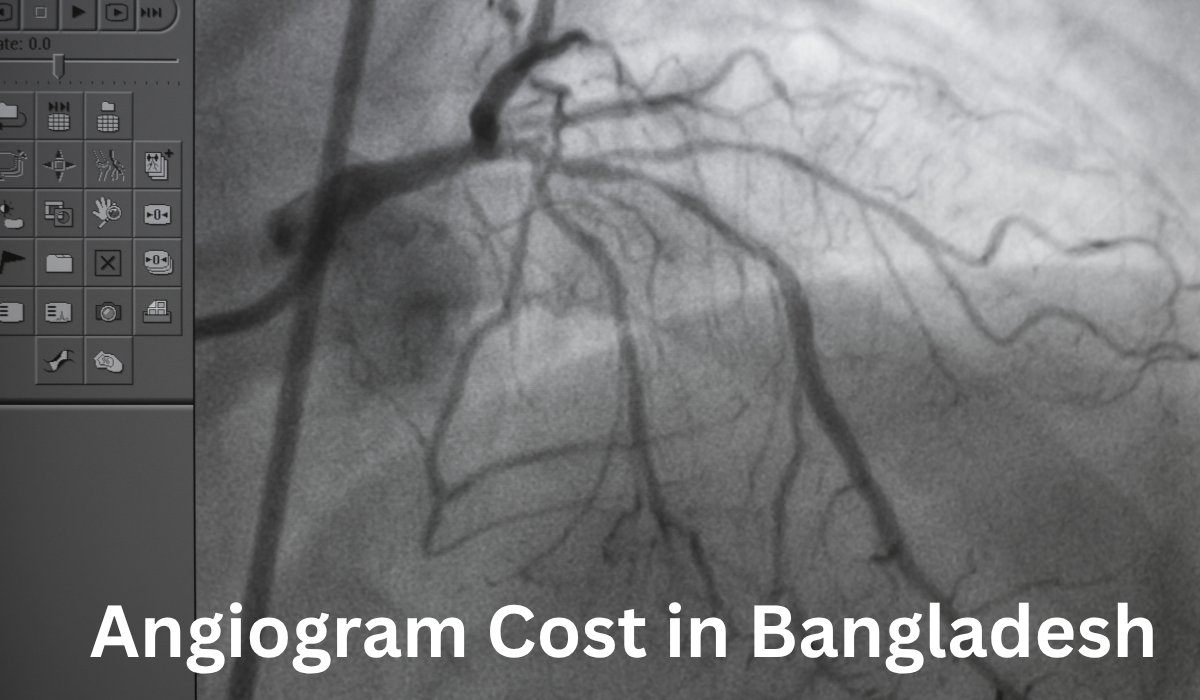
Angiogram Cost in Bangladesh – Complete Information
An angiogram is a specialised diagnostic test used to examine the blood vessels of the heart, brain, or other parts of the body. It plays an important role in detecting blockages, narrowing, or abnormalities in arteries and veins. The need for angiograms has increased significantly due to the increasing number of heart disease and blood vessel problems in Bangladesh. Patients often search for the angiogram cost in Bangladesh to plan their treatment effectively. I have listed the cost of angiograms at the top hospitals in Bangladesh.
Assoc. Prof. Dr. Raisul Islam
Piles (পাইলস): Symptoms, Treatment, Cost, Best Doctors, and Hospitals in Bangladesh
Piles is one of the most common health problems in Bangladesh. Yet it remains one of the least discussed. Many people live with pain, bleeding, and discomfort for months or even years before seeking help. The reason is almost always embarrassment.
Md. Abdus Sabur
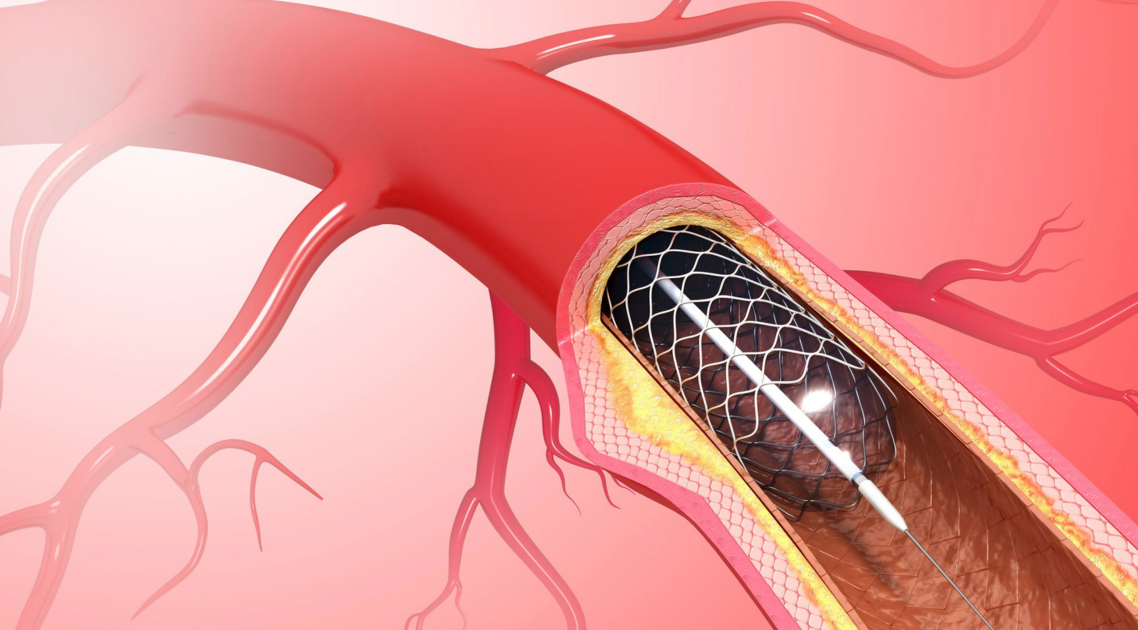
Heart Ring Price and Surgery Procedure Cost in Bangladesh
Heart block disease is a serious cardiac condition that can significantly affect blood circulation and overall heart function. One of the most effective treatment options for selected patients is heart ring (stent) surgery. In recent years, Bangladesh has made notable progress in cardiac surgery, making heart ring surgery more accessible and affordable for patients.

Dr. Mohammad Moniruzzaman
Bypass Surgery Cost in Bangladesh: Latest Prices, Hospital Comparison & Complete Cost Guide
Bypass surgery is a major open-heart operation designed to bypass blocked or damaged coronary arteries. During the procedure, surgeons take healthy blood vessels from other parts of the body (often the leg or chest) and graft them onto the heart to reroute blood flow around blockages. This helps improve oxygen delivery to cardiac tissue and reduces risks of heart attacks, angina (chest pain), and other serious complications.
Assoc. Prof. Dr. Raisul Islam
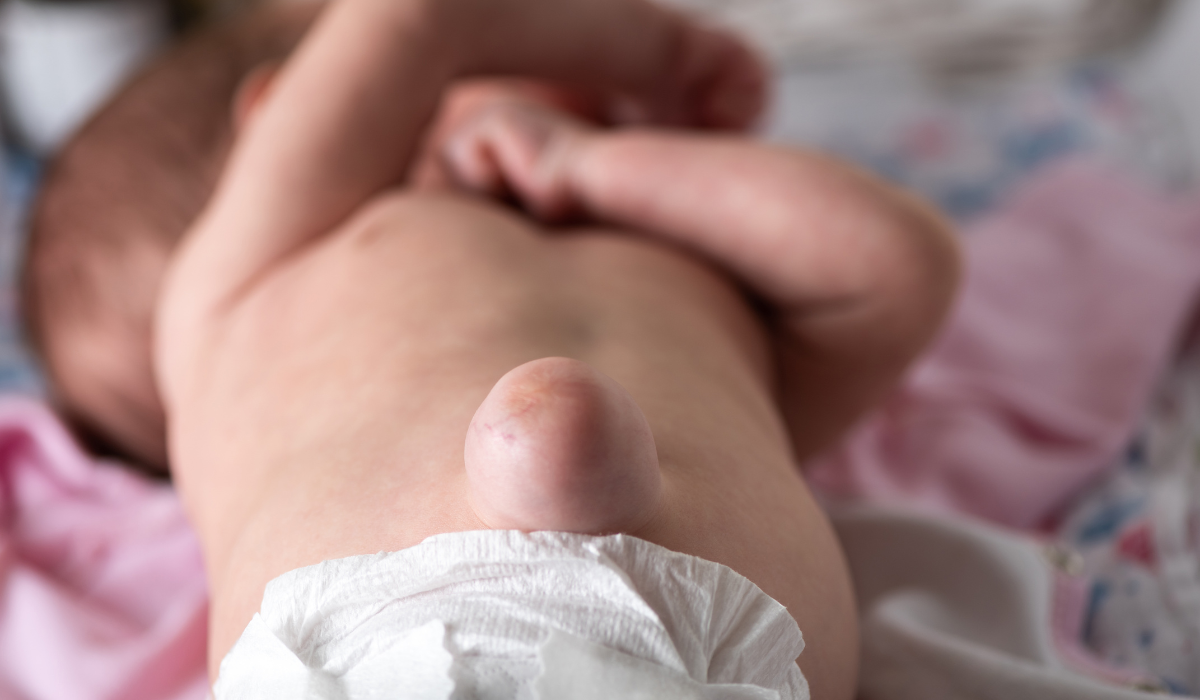
Hernia and Hernia Surgery: All Information for Bangladeshi Patients
Hernia is a common but treatable condition in Bangladesh. With timely diagnosis and proper surgery, patients can lead a completely normal life. Ignoring hernia symptoms may lead to serious complications, so always consult a qualified surgeon if you suspect a hernia.
Dr. Mohammad Moniruzzaman
এনজিওগ্রাম কী? কেন করা হয়, পদ্ধতি, সময়, ঝুঁকি ও সতর্কতা
এনজিওগ্রাম একটি আধুনিক ও নির্ভুল মেডিকেল পরীক্ষা, যার মাধ্যমে হৃদপিণ্ডসহ শরীরের গুরুত্বপূর্ণ রক্তনালীগুলোর ভেতরের অবস্থা সরাসরি দেখা যায়। এই পরীক্ষায় বিশেষ কন্ট্রাস্ট ডাই ব্যবহার করে এক্স-রে প্রযুক্তির মাধ্যমে ধমনীর রক্তপ্রবাহ, ব্লক, সংকোচন বা অন্যান্য অস্বাভাবিকতা শনাক্ত করা হয়। হৃদযন্ত্রের ধমনীর ক্ষেত্রে একে করোনারি এনজিওগ্রাম বলা হয়, যা বুকে ব্যথা, হার্ট অ্যাটাকের ঝুঁকি, শ্বাসকষ্ট বা অস্বস্তির সঠিক কারণ নির্ণয়ে অত্যন্ত গুরুত্বপূর্ণ। এনজিওগ্রামের মাধ্যমে চিকিৎসক ব্লকের পরিমাণ ও অবস্থান নির্ধারণ করে পরবর্তী চিকিৎসা—ওষুধ, স্টেন্ট বা বাইপাস সার্জারি—নেওয়ার সিদ্ধান্ত নিতে পারেন। আধুনিক ক্যাথল্যাব ও অভিজ্ঞ কার্ডিওলজিস্টের তত্ত্বাবধানে এই পরীক্ষা নিরাপদ, দ্রুত এবং জীবনরক্ষাকারী ভূমিকা পালন করে।

Dr. Mohammad Moniruzzaman
Open Heart Surgery in Bangladesh: Causes, Cost, Best Hospitals, and Recovery Guide
Open heart surgery in Bangladesh is a common treatment for serious heart conditions such as blocked arteries, valve problems, and congenital defects. It is performed at leading hospitals like NICVD, National Heart Foundation, Ibrahim Cardiac, and several private hospitals with experienced cardiac surgeons. The cost is comparatively lower than many other countries, making Bangladesh a reliable option for patients seeking quality heart surgery and post-operative care.

Md. Abdus Sabur
কালের কণ্ঠে প্রকাশিত হলো Doctor Dorkar
বাংলাদেশে স্বাস্থ্যসেবার মানোন্নয়ন এবং প্রযুক্তি নির্ভর সেবা সহজলভ্য করার লক্ষ্য নিয়ে যাত্রা শুরু করেছে Doctor Dorkar। এই পথচলার একটি বড় স্বীকৃতি হিসেবে সম্প্রতি দেশের শীর্ষস্থানীয় দৈনিক কালের কণ্ঠ পত্রিকায় Doctor Dorkar নিয়ে একটি বিশেষ প্রতিবেদন প্রকাশিত হয়েছে।
Assoc. Prof. Dr. Raisul Islam
Gallbladder Stone Operation: A Complete Guide to Surgery, Cost, Tests, and Alternatives
Gallbladder stones, also known as gallstones, are a common medical condition that can cause significant discomfort and complications if left untreated. When symptoms become severe or complications arise, a gallbladder stone operation—medically known as cholecystectomy—becomes the most effective treatment.

Md. Abdus Sabur
Health Checkup Test Items Name, Package Details and Package Cost
A Health Checkup helps you find out if you have a particular disease or condition. Sometimes, individuals may not show any signs of symptoms or disease. Health Checkup, followed by treatment and control of the condition can result in a good outcome and lowers the risk of having serious diseases.

Md. Abdus Sabur
ICU Hospital in Dhaka: Best ICU Services, Facilities & Cost Guide 2026
An Intensive Care Unit (ICU) is a highly specialized section of a hospital designed for patients with severe or life-threatening illnesses or injuries. These units are staffed with trained intensivists, nurses, and technicians who provide round-the-clock care.

Md. Abdus Sabur
The Best Surgery Doctors in Uttara – Expert Surgeons You Can Trust
Finding the best surgery doctor in Uttara can feel overwhelming, especially when someone needs skilled, dependable, and experienced hands for a critical procedure. Uttara, one of Dhaka’s fastest-growing healthcare hubs, is home to many highly qualified surgeons with decades of clinical expertise, advanced training, and strong reputations in their respective fields.
Md. Abdus Sabur
Expert Laparoscopic Surgeon in Uttara: Advanced Minimally Invasive Surgical Care
Uttara has emerged as one of Dhaka’s most well-planned and rapidly developing residential areas, with modern healthcare facilities growing alongside it. Among the most sought-after medical services in this region is minimally invasive surgery, particularly laparoscopic procedures. Choosing a qualified laparoscopic surgeon in Uttara is an important decision for patients seeking safe, effective, and faster recovery-focused surgical treatment.

Md. Abdus Sabur
Best Colorectal Surgeon in Uttara – A Comprehensive Guide for Patients
When it comes to colorectal health, finding an experienced and reliable surgeon is paramount. Residents of Uttara, one of Dhaka’s largest and most dynamic neighborhoods, often seek local specialists for conditions like piles (hemorrhoids), fistulas, anal fissures, colorectal cancer, and other colorectal disorders.
Assoc. Prof. Dr. Raisul Islam
PLID Treatment Options in Bangladesh: What Patients Need to Know
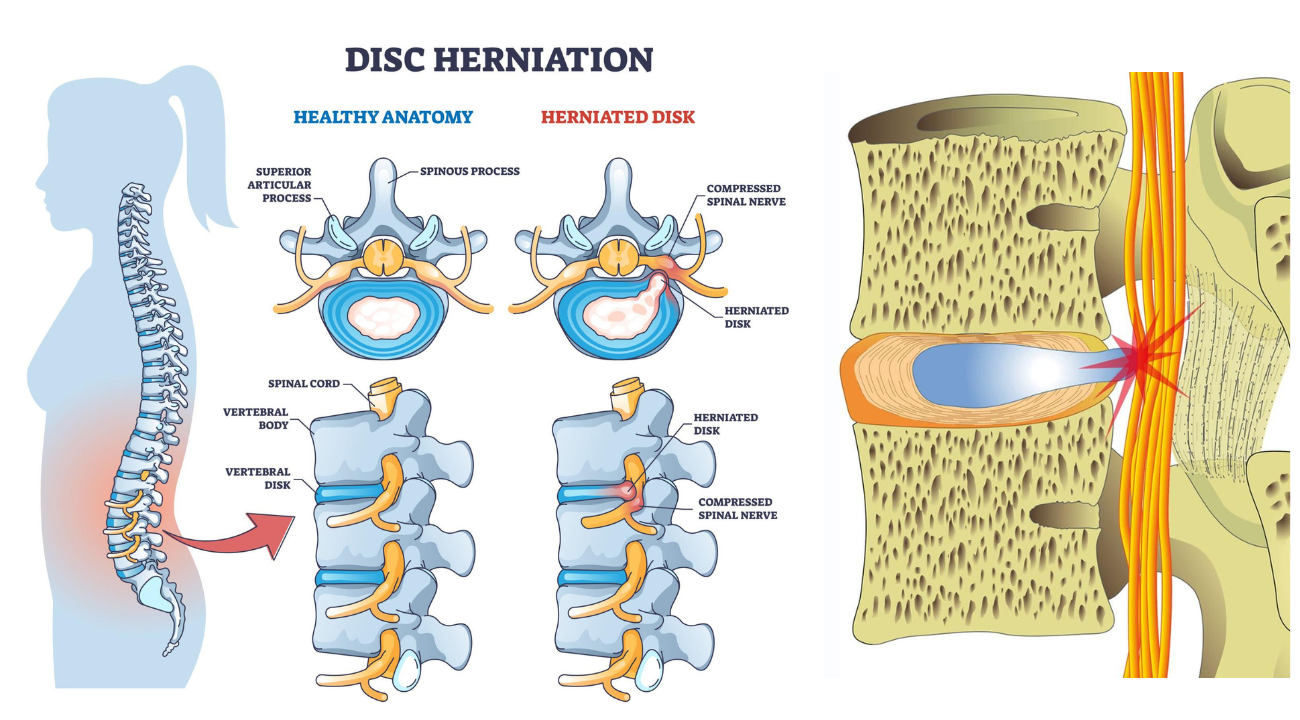
PLID (Prolapsed Lumbar Intervertebral Disc) is a common spinal condition where a disc in the lower back slips or ruptures, causing pressure on nearby nerves. It often leads to back pain, sciatica, numbness, and weakness in the legs. Treatment in Bangladesh includes physiotherapy, medication, and advanced surgical options, depending on severity. With early diagnosis and proper care, most patients recover successfully and return to normal life.

Md. Abdus Sabur
The Best Cardiac Surgeons in Bangladesh - Verified Heart Specialists
A cardiac surgeon is a highly trained medical professional who specializes in performing surgeries related to the heart and major blood vessels. These surgeries are often complex and require years of education, training, and hands-on experience.

Md. Abdus Sabur
The Best Neurologists in Dhaka for Expert Neurology Treatment
Dhaka has many experienced neurology specialists with national and international training. Below are some of the most recognized neurologists based on qualifications, experience, and hospital affiliations.

Md. Abdus Sabur
Best Gynecologists in Dhaka | Gynecology & Obstetrics Specialist List
Women’s health requires specialized medical care at every stage of life. From menstrual problems and pregnancy care to infertility, high-risk pregnancy, gynecological cancer, and reproductive health concerns, choosing an experienced gynecologist is important for proper diagnosis and treatment.

Md. Abdus Sabur
The Best Medicine Doctors in Mirpur Dhaka for Quality Healthcare
When searching for a trusted medicine doctor in Mirpur Dhaka, choosing a qualified and experienced physician is essential for accurate diagnosis, effective treatment, and long-term health management.

Md. Abdus Sabur
Full Meaning of All Critical Care Services in Hospitals
When a patient faces a serious illness or emergency condition, critical care services become extremely important. Many people hear terms like ICU, NICU, CCU, HDU, and SICU but do not fully understand what these medical departments actually mean. In this guide, we explain the full meaning of all major critical care services, their functions, and when patients may need them.
Share Your Feedback
Share your thoughts and feedback with our community
No comments yet
Be the first to share your thoughts!